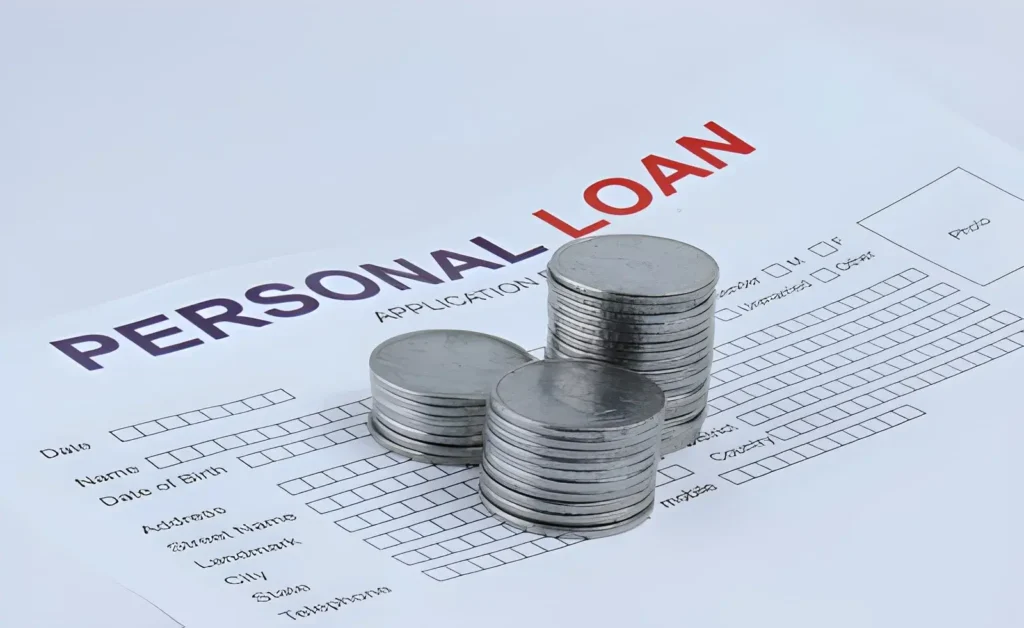

If you are applying for a personal loan for the first time, lenders typically assess your income, employment or business profile, existing EMIs, repayment capacity, documents, and credit history. You may not have a CIBIL score if you have never used formal credit, and CIBIL may show an NA/NH status when there is insufficient credit history to generate a score. In such cases, lenders may consider your overall financial profile and their own eligibility criteria when assessing your application.
Quick Read
- Your first loan can set the tone for your credit history, so make sure to keep up with your EMI payments.
- A limited credit history does not necessarily indicate poor credit; lenders may also consider your income, occupation, and overall financial profile.
- The loan amount is only a figure; the tenure, interest rate, additional fees, and more will also play a role in determining your payments.
- Your first personal loan shouldn’t break the bank; keep your monthly budget in mind before finalizing the deal, and include any other financial commitments you have.
Taking your first personal loan can feel unfamiliar. There is the application, the paperwork, the EMI, and, most importantly, the question every first-time borrower has: what exactly are lenders looking at? A CIBIL score is just one aspect that could affect your application. In addition to the credit history, the income, financial obligations, and repayment capacity of an individual also play a role in determining the application outcome.
What Do Lenders Look Into for a First-Time Personal Loan?
When you apply for your first personal loan, the lender examines your income, profession or full-time job, existing financial liabilities, credit standing, documents, and repayment capability. All of these play an important role in determining your capacity to repay the borrowed amount along with the monthly installments, or EMI.
In the case of a new customer, there might not be much background of past borrowings and repayments. Therefore, the current income, profession, and financial liabilities of the borrower, along with the application specifics, may be considered by the lenders.
Does Your CIBIL Score Matter if You Have Never Taken a Loan?
If you have never taken any form of credit, then you may not have a CIBIL score yet. CIBIL might showcase your credit status as NA or NH if it does not have enough data about your credit history to produce a score, which doesn’t necessarily imply that you have a bad credit score. However, individual lenders might have varying criteria for borrowers with little or no credit history.
If you already have some credit history, then lenders can use your payment history, credit utilization, length of your credit history, and recent credit inquiries to evaluate your eligibility for a loan.
How Does Your Income Affect Personal Loan Eligibility?
Your income and any existing financial obligations can impact the lenders’ ability to evaluate your suitability for a personal loan EMI. While a higher income can improve your chances, lenders may also assess your employment status, current EMIs, and repayment capacity before approving the loan.
Lenders may consider the following:
- Monthly income: Your salary or business income determines your repayment capacity.
- Existing EMIs: Any current Equated Monthly Installments (EMIs) can impact your ability to repay an additional loan.
- Employment or business stability: Having a stable income stream helps you to repay the loan.
- Your overall financial obligations: The monthly financial commitments you have to make (rent, existing debts) can also be a factor lenders take into consideration.
What Documents Do First-time Borrowers Usually Need?
If you’re applying for a personal loan with no credit history, then you’ll likely need to provide documents proving your identity, address, income, and profile. The list varies among different lending companies and each individual’s personal situation.
Some of the documents that a borrower might need to submit are listed below:
- Identity and address proof: To conduct KYC verification
- PAN and other KYC documents: For providing income and financial profile details
- Income proof: Such as salary slips and other documents depending on the source of income
What Should You Check Before Taking Your First Personal Loan?
Before taking your first personal loan, there are several factors you should consider besides the stated interest rate. These are the total cost of borrowing, fees, EMI, tenure, repayments, and any other applicable charges. Understanding all of these elements can give you a realistic view of what you are getting rather than just the headline interest rate.
Applicable to a retail term loan, the Reserve Bank of India (RBI) mandates that a Key Facts Statement (KFS) comprising vital information about the loan and its costs must be given to borrowers by the lenders. By going through the KFS and the loan agreement before you accept the offer, you will have a clear idea of what you are getting into.
What Should First-Time Borrowers Remember?
Taking your first personal loan is not just about meeting eligibility criteria. The EMI, tenure, and overall cost of the loan should ideally be easily incorporated into your finances. Also, for business owners, it is often recommended to keep personal loans and business expenses separate, especially if the business’s cash flows vary from month to month.
Finnable extends its digital personal loan products of up to ₹10 lakh (subject to applicable eligibility) to borrowers to fulfill their separate personal needs. Moreover, first-time users can assess the projected EMI against their existing obligations to ensure that the new payment is affordable.
ALSO Read
- /inside-prop-trading-understanding-the-path-to-funded-trading-opportunities/
- mastering-the-1xbet-color-prediction-game-a-comprehensive-guide-for-indian-players/
- common-misconceptions-about-criminal-defense-attorneys/