

You notice the bad breath first. Then your dog hesitates at the food bowl, or your cat starts dropping kibble, pawing at the mouth, or pulling away when you touch the face. It is easy to hope it is nothing, especially when your pet still seems playful and mostly normal. Dental disease is sneaky that way, which is why visiting an animal hospital in Richmond, TX can help catch problems early. It builds quietly, and by the time there are clear signs, your pet may already be living with daily pain.
The importance of dental cleanings in animal hospitals comes down to one simple truth. Pets hide discomfort well, and dental problems do not stay in the mouth. Plaque turns into tartar, tartar settles under the gumline, and infection can damage teeth, gums, and supporting bone. According to Cornell, periodontal disease in dogs is one of the most common clinical conditions seen by veterinarians. A professional cleaning at an animal hospital is not cosmetic care. It is medical care.
Dental disease in pets often starts before you can see it
The hard part is that early dental disease rarely looks dramatic. You may see a little yellow buildup and assume brushing can wait. You may hear that “dog breath” is normal. It is not. Persistent bad breath often means bacteria are thriving in the mouth, and much of the damage happens below the gumline, where you cannot check at home.
That hidden part matters most. Bacteria and inflammation can loosen teeth, create painful pockets around the gums, and make chewing uncomfortable. Some pets stop crunching hard food. Others swallow kibble whole, eat only on one side, or become less interested in toys. Cats may simply seem quieter. If your pet has become picky, slower, or less tolerant, mouth pain may be part of the story.
Pet dental cleanings in a hospital setting allow the veterinary team to examine the entire mouth, including the areas you cannot safely inspect yourself. They can identify fractured teeth, gum disease, oral masses, and tooth root problems that look minor from the outside but hurt far more than they appear.
Animal hospital dental cleanings do more than remove visible tartar
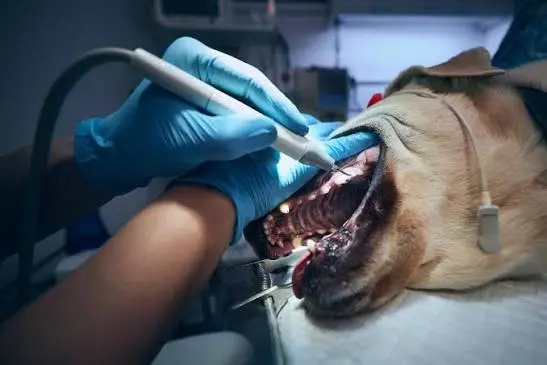
A true dental procedure involves much more than scraping the teeth you can see. In an animal hospital, your pet is monitored under anesthesia so the team can clean above and below the gumline, take dental X rays when needed, probe around each tooth, and treat disease safely. That full process is what protects your pet from ongoing infection and pain.
This is also why anesthesia free scaling is not considered an adequate substitute. The American Veterinary Dental College explains in its statement on dental scaling without anesthesia that cleaning only the visible surface misses the area where periodontal disease develops most. It can improve appearance for a short time while leaving the real problem in place.
You are not overreacting by taking dental care seriously. You are responding to a medical issue that affects comfort, eating, and quality of life. Many owners feel guilty when they learn how common dental disease is, especially if their pet never clearly showed pain. That guilt does not help your pet. Getting care does.
Home dental care helps, but professional dental care for pets is still necessary
Brushing at home is one of the best habits you can build, and it can slow plaque buildup between visits. It cannot replace a hospital cleaning once tartar has hardened or disease has moved under the gums. Home care works best as prevention and maintenance, not as a fix for established dental disease.
Cornell also offers guidance on dental disease and home dental care, including brushing and other strategies that support oral health. If you have ever tried to brush a resistant pet’s teeth, you already know this takes patience. Small wins count. Even a few short sessions each week can help, especially when paired with regular exams and cleanings at your animal hospital.
Professional cleanings and at home care serve different roles
| Care Option | What It Can Do | Limits | Best Use |
|---|---|---|---|
| At home brushing | Reduces plaque, freshens breath, supports gum health | Does not remove tartar under the gumline, depends on pet tolerance | Daily or frequent prevention between veterinary visits |
| Dental chews and approved products | May reduce plaque on tooth surfaces | Limited effect on existing disease, not right for every pet | Added support as part of a dental routine |
| Anesthesia free cosmetic scaling | May remove some visible tartar | Misses subgingival disease, cannot fully assess or treat the mouth safely | Does not replace medical dental care |
| Professional cleaning in an animal hospital | Full exam, scaling above and below gums, polishing, X rays, treatment planning | Requires scheduling, cost, and anesthesia | Diagnosis, treatment, and meaningful prevention of dental disease progression |
Cost is often the sticking point, and that concern is real. A cleaning in an animal hospital costs more than a surface polish because it is a medical procedure with trained staff, monitoring, and diagnostic tools. Waiting can cost more later if your pet ends up needing multiple extractions, pain treatment, or care for advanced infection. Early treatment is usually easier on your pet and easier on your budget.
Small steps now can protect your pet from chronic pain
Schedule an oral exam. If your pet has bad breath, visible tartar, red gums, chewing changes, or sensitivity around the mouth, book an exam. Even if symptoms seem mild, a veterinarian can tell you whether your pet needs monitoring, home care, or a full cleaning.
Start a realistic home routine. Use a pet safe toothbrush and toothpaste, and keep sessions short. If brushing is too much right now, ask about wipes, gels, or approved dental products. Consistency matters more than perfection.
Ask what the procedure includes. Good animal hospital dental cleaning care should include an exam, anesthesia, monitoring, cleaning below the gumline, and follow up recommendations. Knowing what is included helps you compare options clearly and choose care based on value, not just the lowest price.
Your pet does not need to stop eating to have a painful mouth, and they do not need dramatic symptoms to need help. Dental disease is common, treatable, and worth addressing early. If you have been putting it off because life is busy or the signs seemed small, you are not alone. The next step is still simple. Reach out to your animal hospital and schedule a dental evaluation. Your pet may be more uncomfortable than they can show, and relief often starts with one appointment.
Also Read
- https://synonymlabi.com/how-word-choice-shapes-the-clarity-and-persuasive-power-of-legal-writing/
https://synonymlabi.com/frictionless-transit-navigating-international-flight-cycles-with-ryan-londons-iphone-18-suite/
https://synonymlabi.com/7-ways-businesses-can-use-promotional-notepads/




Pingback: How Older Adults Are Replacing Long Commutes With New Daily Rituals
Pingback: How to Analyze Competitor Feedback and Make Smarter Business Decisions