
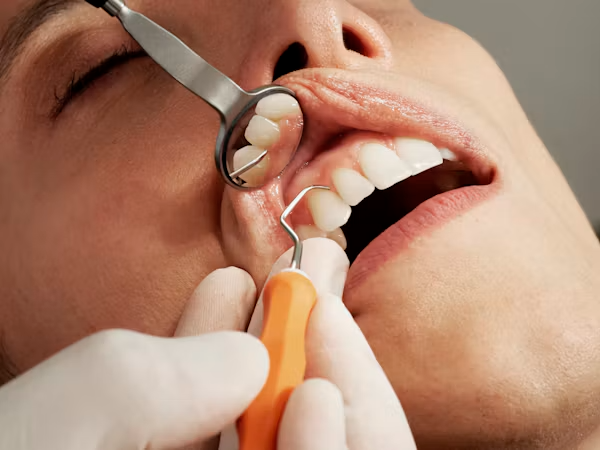

If you have been told you may need a gum graft, your mind probably went straight to the parts no one enjoys thinking about. Pain. Cost. Recovery. Whether the problem will get worse if you wait. That reaction makes sense. Gum recession can sound minor until you hear the word “surgery,” and then every cold drink, every sensitive tooth, and every glance in the mirror starts to feel louder. If you are also exploring options like dental implants in Norristown, PA, it is understandable to have even more questions about your oral health and treatment needs.
A gum graft can protect exposed tooth roots, reduce sensitivity, and help prevent more damage when your gums have pulled away. It is not something to agree to just because it was mentioned in passing. You deserve to know why it is being recommended, what kind of result is realistic, what recovery looks like, and whether a gum graft procedure is the right next step for your mouth.
Gum recession treatment starts with the reason your gums are pulling back
The first question to ask is simple. Why do I need this, and what caused the recession? That answer matters because a graft can cover exposed roots, but it does not erase the reason the recession happened in the first place.
Sometimes the cause is gum disease. Sometimes it is aggressive brushing, thin gum tissue, clenching, smoking, or bite pressure. According to the National Institute of Dental and Craniofacial Research, gum disease can damage the tissues that support your teeth, and that damage may keep progressing if the source is not managed. If the recession is being driven by active inflammation and infection, placing new tissue without controlling the disease can leave you in the same position later.
You want a clear explanation of what your periodontist sees. Is the recession mild and stable, or is it moving quickly? Is the concern mostly cosmetic, or are your roots exposed enough to raise the risk of sensitivity, decay, and further attachment loss? If the answer sounds vague, ask for specifics. Which teeth are affected, how much recession is present, and what happens if you do nothing for six months or a year?
This is often the point where people realize they were ready to say yes or no before they had the full picture. A graft may be necessary. It may also be one part of a bigger treatment plan.
The type of gum graft affects healing, comfort, and the result
The second question is which kind of graft is being recommended and why. Not all grafts are the same, and that detail changes your recovery and your outcome. A periodontist may use tissue from the roof of your mouth, donor tissue, or a technique designed to preserve blood supply and improve root coverage.
The medical overview in this NCBI resource on periodontal surgery describes how different periodontal procedures are selected based on tissue loss, anatomy, and treatment goals. That means the best option for one person may not be the best option for you. If your gums are thin, if the recession is deep, or if several teeth are involved, the plan may need to be more tailored than you expected.
Ask what your periodontist is trying to achieve. Is the goal to stop progression, reduce sensitivity, improve appearance, or all three? Ask how much root coverage is realistic. Full coverage is not always possible. Hearing that before treatment is much easier than hearing it after you have gone through surgery and recovery.
This is also where fear tends to spike. If you are worried about pain, ask exactly where the tissue will come from, how long soreness usually lasts, what you will be able to eat, and when you can brush the area again. Those details make the decision feel less abstract and more manageable.
The cost of gum graft surgery should match the expected benefit
The third question is what you are getting in return for the cost, time, and healing. Questions before gum graft surgery should always include the practical side. How urgent is this? Is there a non surgical option first? What are the risks of waiting?
There are cases where careful monitoring, deep cleaning, changes in brushing technique, a night guard, or treatment for active periodontal disease come before grafting. The broader picture of gum disease and gum health shows why this matters. If inflammation is still active, your money may be going toward a fix that cannot hold up well over time.
If your periodontist recommends moving forward now, ask what makes now the right time. A good answer should tie the timing to your condition, not just the calendar. You should also ask about insurance coverage, out of pocket cost, follow up visits, and whether more than one area may need treatment later. A single procedure can turn into a series of appointments if recession is widespread.
A clear comparison makes the decision easier
| Question to Ask | Why It Matters | What a Clear Answer Sounds Like |
|---|---|---|
| Why do I need a graft? | Shows whether the issue is cosmetic, protective, or tied to active disease | “You have 3 mm of recession on these teeth, exposed roots, and increasing sensitivity. The area has been progressing.” |
| What type of graft are you recommending? | Affects pain, donor site healing, and how much root coverage is likely | “I recommend connective tissue grafting here because your tissue is thin and this gives the best chance of stable coverage.” |
| What happens if I wait? | Helps you judge urgency and avoid rushed decisions | “You may see more sensitivity and root exposure. The tooth is not in immediate danger, but recession is likely to continue.” |
| What result is realistic for me? | Prevents disappointment and sets honest expectations | “I expect improvement, not perfect symmetry. My goal is better protection and less sensitivity.” |
Three steps help you decide with more confidence
Ask for measurements and photos. Numbers make this real. Ask how many millimeters of recession you have, whether it has changed, and if there are photos or charting notes to compare over time. That gives you a baseline instead of a vague impression.
Get the treatment sequence in writing. If you also need periodontal therapy, bite adjustment, or changes in home care, ask where the graft fits in. This is one of the smartest things to ask before a gum graft because it tells you whether the plan addresses the cause as well as the symptom.
Ask about recovery in plain terms. Find out what you can eat, how you will clean the area, when you can exercise, and what warning signs mean you should call the office. A treatment can be right for you and still require planning around work, family, and daily life.
A gum graft is not something you should agree to out of fear or pressure. It should make sense to you. If the answers are clear, the goal is realistic, and the plan addresses the reason your gums receded, you can move forward with more peace of mind. If the explanation still feels thin, pause and ask more. A periodontist should be able to help you understand not just the procedure, but why it fits your situation.
Read more: Senior Pet Wellness Visits: What Changes After Age 7?
https://synonymlabi.com/what-to-do-if-your-real-estate-broker-shorted-your-final-paycheck/
https://synonymlabi.com/what-order-should-you-work-through-your-footage/