


Portable solar panels are practical for daily home use when your goal is to charge small electronics, support a few essential devices, or maintain backup power without a fixed rooftop system. They work best for households with regular access to direct sunlight and realistic expectations about how much energy a compact setup can provide. Instead of replacing your full household electricity supply, they help offset part of it, especially for phones, laptops, lights, routers, and portable batteries. To decide whether they fit your routine, look at four things first: your daily power needs, available sun, storage plans for evening use, and how easy the system is to set up.
How Much of Your Daily Electricity Use Can They Cover?
Start With the Devices You Use Every Day
Begin by listing the devices you actually want to power each day, then estimate their watt-hours. A phone may need around 10 to 15Wh, a laptop 50 to 100Wh, a Wi-Fi router roughly 100Wh over a day, and LED lights far less than older bulbs. This simple exercise shows whether portable solar panels for home can meaningfully support your routine. For most homes, they are best suited to low-to-medium energy tasks rather than heavy appliances such as ovens, kettles, heaters, or air conditioners. If your daily priority is keeping communication devices, work equipment, lights, and small battery packs charged, a portable setup can cover a useful share of consumption without needing a permanent installation or major electrical changes.
Compare Daily Demand With Usable Solar Energy
After you total your daily device needs, compare that number with the usable output a panel can deliver in real conditions. Panel wattage reflects ideal laboratory testing, not all-day production. Weather, angle, season, heat, and partial shade all reduce output, so the practical result matters more than the label. The EcoFlow 110W and 220W Lightweight Portable Solar Panels are useful examples: higher wattage can recharge power stations faster, but only with several hours of strong direct sun. In daily home use, many households treat portable panels as a daytime charging source for batteries and electronics, not a full replacement for grid power. Matching realistic solar harvest to your must-run devices leads to a workable plan.
Will Solar Charging Fit Your Home Routine?
Find a Spot That Receives Direct Sunlight
Portable solar charging becomes practical only when you have a reliable place to deploy the panel each day. A balcony, patio, backyard, driveway, or even a flat section near a bright window can work, but direct outdoor sunlight is the real priority. The panel should face the sun for the strongest production, with minimal shading from walls, railings, trees, or neighboring buildings. Even brief shadows can cut output sharply. Before buying, check your space at different times of day to see how long it stays clear. If you can place a panel in full sun for several hours and reposition it easily when needed, daily use becomes far more realistic.
Plan for Evening Use and Daily Handling
For home use, portable panels are most convenient when paired with a battery or power station that stores daytime energy for use after sunset. That setup lets you run lights, recharge phones, or top up laptops in the evening without relying on the panel at night. Daily handling also matters. A system that is too bulky, awkward to move, or slow to fold away often gets used less than planned. Think through where you will store it, how far you need to carry it, and whether you are willing to set it up and bring it back in each day. A routine-friendly setup is the one you will actually keep using consistently.
What Makes a Portable Setup Worth Using Regularly?
Balance Panel Output With Size and Portability
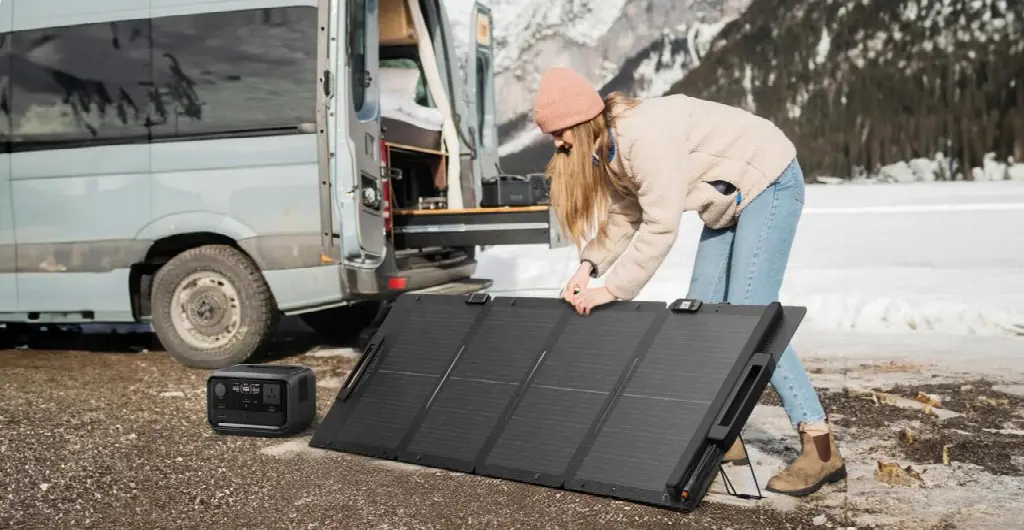
A portable solar setup becomes worth using regularly when its output matches your energy goals without becoming inconvenient to move or store. Larger panels generally collect more energy and shorten charging time, but they also take up more space and can be less comfortable to carry, position, and pack away. Smaller options are easier to handle for daily use, especially in homes where storage is limited or the panel must be moved often to follow sunlight. The right balance depends on your routine: if you mainly charge phones, lights, and battery packs, lighter gear may be enough. If you want faster charging for larger batteries, stepping up in panel size can make daily use more worthwhile.
Judge Value by Actual Use and Total Cost
Value comes from how often the setup replaces grid charging in your real routine, not from rated wattage alone. If you use the panel most days to charge a power station, keep work devices running, or maintain emergency readiness, the investment has clear practical benefit. If it stays folded in storage because setup feels inconvenient, the value drops quickly. Include the full cost in your decision: panel, compatible battery storage if needed, cables, and any protective accessories. Also consider lifespan, weather resistance, and ease of transport. A portable solar panel is worth buying for regular home use when it saves effort, supports important devices reliably, and fits naturally into daily habits.
Conclusion
Portable solar panels are practical for daily home use when you want dependable charging for small electronics, lights, routers, and stored backup power rather than whole-home energy replacement. The key is to match realistic solar production with your actual daily needs, confirm you have several hours of direct sunlight, and choose a setup you can handle comfortably every day. For many households, that makes portable solar a useful, flexible addition to home energy habits. When the system fits your space and routine, it can deliver steady everyday value.
Also Read
- /7-ways-businesses-can-use-promotional-notepads/
- openai-api-capability-census-what-76-models-can-actually-do/
- enjoy-summer-food-parties-with-quality-gas-grills/