
You finished your full course of laser treatment, loved the results and then, a couple of years later, noticed a few new hairs along your chin or jawline. Did the treatment stop working? Almost certainly not. More often, your hormones change.
Hormones play a bigger role in hair growth than most people realise, and women go through several major hormonal shifts across their lives. Understanding how each stage affects laser hair removal helps you set realistic expectations, time your treatments well and know when to speak to a doctor. Here are the questions clients ask most often.
Why Do Hormones Affect Hair Growth at All?
Hair follicles respond to hormones called androgens, which include testosterone. Everyone has androgens, but women usually have lower levels. When androgen levels rise, or when the balance between androgens and oestrogen shifts, some follicles that once produced fine, light “vellus” hair can start producing thicker, darker “terminal” hair.
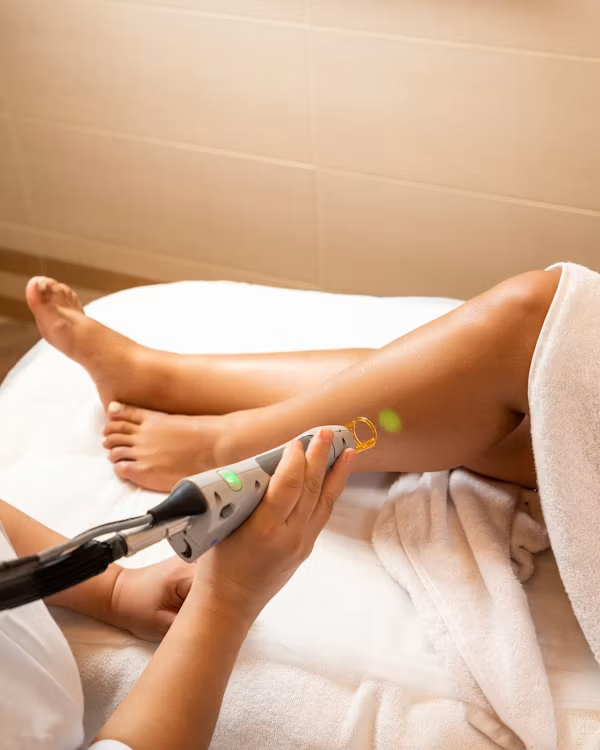
Laser works by targeting pigment in the hair to damage the follicle. It treats the follicles that are active at the time of your sessions. If hormones later switch on new follicles that weren’t producing visible hair before, those new hairs can appear even after a successful course.
What about men? The basic process is the same. Men’s laser hair removal often focuses on large areas like the back, chest and shoulders, where hair is driven by higher androgen levels from puberty onwards. Men often need more sessions in those areas for the same reason.
Women’s treatment tends to involve more variation over time, because female hormone levels rise and fall through puberty, pregnancy and menopause. That’s why the rest of this guide focuses on those stages.
Can Teenagers Get Laser Hair Removal?
Many clinics treat older teenagers, usually with parental consent. It can be a big confidence boost for young people dealing with noticeable facial or body hair.
The thing to know is that hormones are still settling during the teenage years. Treatment can reduce existing hair effectively, but new hair may continue to appear until hormone levels stabilise, often in the late teens or early twenties. Teens should expect that a few top-up sessions may be needed later.
Timing matters too. Many teenagers want treatment before formals or summer holidays, but a full course takes months. Starting early in the year, and avoiding fresh tans before each session, gives the best chance of smooth skin when it counts. Sun exposure raises the risk of skin irritation and pigment changes after laser, so clinics usually ask you to keep treated areas covered and use sunscreen.
Should I Have Laser Treatment While Pregnant or Breastfeeding?
Most clinics that offer laser hair removal for females postpone treatment during pregnancy. This is a precaution, because there’s limited research on laser hair removal in pregnant women, rather than evidence that it causes harm.
Pregnancy also brings its own hair changes. Higher hormone levels can cause temporary hair growth on the belly, face or other areas. The good news is that much of this often settles in the months after birth, so it’s worth waiting before treating new growth. Skin can also be more sensitive and prone to pigment changes during pregnancy, which is another reason clinics prefer to wait.
If you’re partway through a package, ask your clinic whether sessions can be paused and resumed later.
Breastfeeding is a grey area, and policies vary between clinics. Some are comfortable treating certain areas while you’re breastfeeding, and others prefer to wait until you’ve finished. Hormones are still shifting during this time, so results may be less predictable. Talk it through with your clinician and, if in doubt, your GP.
How Does PCOS Affect Laser Results?
Polycystic ovary syndrome (PCOS) is a common hormonal condition that can raise androgen levels, often leading to extra hair growth on the face, neck, chest or stomach. Laser can still be very effective for women with PCOS and is often one of the most practical ways to manage it.
Results usually take more sessions, and ongoing maintenance is more likely, because the underlying hormonal drive continues. Many women find the best outcomes come from combining laser with medical management from their doctor. If you notice sudden or significant new hair growth, see your GP before booking treatment, since it can sometimes point to a hormonal issue worth checking.
Will Menopause Bring Hair Back?
Menopause causes oestrogen levels to drop. Androgen levels drop too, but more slowly, so the balance shifts. Many women notice new coarse hairs on the chin, upper lip or jawline during this stage, even if they’ve never had them before.
Laser can treat these hairs well, as long as they still have pigment. Here’s the catch: grey and white hairs contain little or no pigment, so laser can’t target them effectively. If your new hairs are already grey, electrolysis is often a better option. If they’re still dark, treating them sooner rather than later gives the best chance of good results.
Can the Contraceptive Pill Change Results?
Some hormonal contraceptives can reduce unwanted hair growth, while starting, stopping or switching others can cause changes. If you’ve recently changed contraception and notice new growth, give it a few months to settle before deciding whether you need more sessions, and mention the change to your clinician. Hormone treatments for other conditions, including some fertility treatments, can have similar effects, so it’s always worth listing current medications on your consultation form.
Planning Treatment Around Your Life Stage
The key takeaway is that laser hair removal gives lasting reduction of the hair that’s present when you’re treated, but it can’t stop your body from activating new follicles in the future. Occasional maintenance sessions are normal, especially around major hormonal shifts.
If you’re considering treatment, share your hormonal history at the consultation, including PCOS, recent pregnancy, contraception changes or menopause. VicLaser is one Melbourne clinic that tailors treatment plans to skin type and individual circumstances.
The more your clinician knows, the better they can plan your sessions, and the fewer surprises you’ll have down the track.
Read more: https://synonymlabi.com/dependence-misuse-addiction-why-these-words-are-not-synonyms-in-medicine/
https://synonymlabi.com/safe-and-structured-healing-the-complete-guide-to-at-home-detox-support/
https://synonymlabi.com/personal-loan-for-first-time-borrowers-what-lenders-actually-check/