
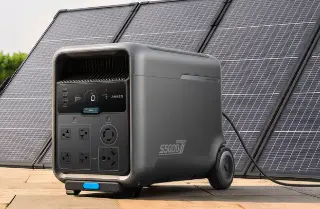

A home backup power station provides a practical way to keep essential devices running when grid electricity becomes unavailable. Choosing the right system depends on your household’s needs, available space, and how long you may need backup power.
This guide explains how these systems work, why they are useful, what features to consider before buying, and how to use them safely for more reliable home backup.
Key Takeaways
l A home backup power station stores electricity for use during outages, providing a flexible alternative to fuel-powered generators.
l Choosing the right system requires evaluating household power needs, battery capacity, output ratings, runtime, and charging options.
l Expandable capacity and flexible charging methods can help support different backup requirements and longer power interruptions.
l Safe placement, proper load management, compatible electrical connections, and regular maintenance help ensure reliable operation.
What Is a Home Backup Power Station
A home backup power station is a battery-powered device that stores electricity for use when the main power supply is unavailable. It typically includes a built-in inverter, multiple output ports, and a rechargeable battery. Depending on the model, it can be charged through a wall outlet or compatible solar panels.
During a power outage, a home backup power station provides electricity to connected devices and appliances. Unlike fuel-powered generators, it produces no exhaust during operation, making it suitable for indoor use when operated according to the manufacturer’s instructions. Its capacity and output determine which devices it can support and for how long.
Why Choose Battery Backup for Home Use
A home backup power station offers a practical way to keep essential devices running during power outages without relying on fuel. It can also provide flexible power for everyday needs around the home.
l Quiet operation: Battery power stations generally operate much more quietly than fuel-powered generators, making them suitable for residential environments.
l No exhaust emissions during use: They produce no exhaust while supplying power, allowing indoor operation when the unit is used according to the manufacturer’s instructions.
l Flexible charging options: Many models support AC charging and compatible solar panels, giving households different ways to replenish stored energy.
l Portable power access: Depending on the model, a power station can be moved between rooms or taken outdoors to support different activities.
l Low routine maintenance: Battery systems do not require fuel changes, engine oil, or spark plug replacements, reducing routine maintenance compared with conventional fuel generators.
l Useful for different outage needs: From keeping phones and routers connected to powering selected household appliances, a suitable system can help maintain essential functions when grid electricity is unavailable.
How to Choose the Right Home Backup Power Station
These benefits are most useful when the system matches your household’s actual needs. Start by estimating appliance loads, then compare energy storage, recharge options, and installation requirements.
Calculate Essential Appliance Loads
List the devices you need during an outage, such as a refrigerator, Wi-Fi router, lights, or a sump pump. Check each device’s running wattage and note any startup surge from motors. Add the wattage of appliances likely to run at the same time; this gives you a practical minimum for continuous output and helps prevent overloads.
Match Battery Capacity, Output, and Runtime
Battery capacity, measured in watt-hours (Wh), indicates stored energy; output wattage determines which appliances can run together. Estimate runtime by dividing usable capacity by the combined load, then allow for inverter losses and devices that cycle on and off. Check continuous output as well as peak output, since brief startup demands can exceed normal running wattage.
Compare Charging Options and Expandable Capacity
Compare AC charging speed, solar input limits, and compatibility with available solar panels when choosing a home backup power station. Faster charging can help restore power reserves between outages, while solar charging offers another way to replenish energy during extended interruptions. If you expect longer outages, consider a model that supports expansion batteries to increase stored energy and extend runtime. Keep in mind that additional battery capacity does not increase the unit’s rated output.
Anker SOLIX S5000 as a Home Backup Option
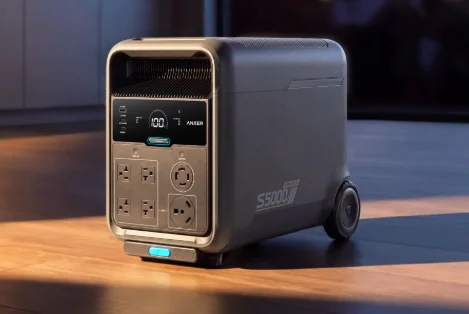
Beyond its power ratings, the Anker SOLIX S5000 uses 314Ah LFP cells rated for 6,000 cycles to 80% capacity or 10,000 cycles to 60%. Its UPS switchover time is 10 milliseconds or less, and built-in wheels help move its 97 lb frame. For home-circuit backup, use a compatible transfer switch or inlet box installed by a qualified electrician.
How to Use a Home Backup Power Station Safely
Choosing the right backup system is only part of preparing for an outage. Proper placement, load management, electrical connections, and routine care also help keep your household powered safely.
Choose a Safe Location for Operation and Storage
Place the power station on a stable, dry surface away from water, direct sunlight, and heat sources. Keep ventilation openings clear to prevent overheating, and maintain the clearance specified in the user manual. Although battery power stations produce no exhaust during operation, protect them from moisture and extreme temperatures, and follow the manufacturer’s storage recommendations.
Check Power Limits Before Connecting Appliances
Check the station’s continuous output rating before connecting appliances, and calculate the combined wattage of devices that may run simultaneously. Refrigerators, pumps, and other motor-driven equipment can require additional power when starting. Keep total demand within the station’s rated limits, avoid overloading individual outlets, and disconnect nonessential devices if an overload warning appears.
Use Approved Equipment for Home Circuit Connections
To supply selected household circuits, use a compatible transfer switch or approved power inlet installed by a qualified electrician. The setup must meet local electrical codes and prevent electricity from flowing back into utility lines. Never connect a power station to a household wall outlet to energize home wiring, as this can create dangerous backfeeding and electrical hazards.
Follow Safe Charging and Maintenance Practices
Use compatible charging cables and approved power sources, and keep connectors dry during charging. Check the manual for the permitted charging and operating temperature ranges, as these can differ. Inspect cables, plugs, and ports regularly for damage, and stop using faulty components. Store the unit according to the manufacturer’s guidance and avoid attempting unauthorized battery repairs.
Conclusion
Choosing the right home backup power station starts with understanding your household’s electricity needs, essential appliances, and expected backup duration. Compare battery capacity, power output, charging options, and expansion capabilities to find a system that suits your situation.
Proper placement, load management, and safe electrical connections are equally important for reliable operation. By balancing performance, practicality, and safety, you can prepare for unexpected outages and keep essential devices running when grid power becomes unavailable.
FAQs
How long can a home backup power station last during a power outage?
Runtime depends on the station’s usable battery capacity and the power consumption of connected devices. A larger battery can support essential appliances for longer, while high-wattage equipment drains energy faster. To estimate runtime, divide usable battery capacity in watt-hours by the combined power consumption in watts, allowing for conversion losses.
Can a home backup power station run a refrigerator and other appliances at the same time?
Yes, if the power station has sufficient continuous output and battery capacity. Add the running wattage of all appliances you plan to use simultaneously, and account for the refrigerator’s startup surge. Check the station’s rated output and outlet limits to avoid overloading the system.
Can a home backup power station connect directly to household circuits?
A home backup power station can supply selected household circuits when the system supports this setup and uses compatible connection equipment. A qualified electrician should install an appropriate transfer switch or power inlet and ensure compliance with local electrical codes. Never connect the station to a wall outlet to energize household wiring.
Also Read
- slot-game-series-a-familiar-identity-across-different-releases/
- how-to-choose-the-best-devops-course-for-beginners/
- /what-are-the-different-types-of-divorce-in-north-carolina/