
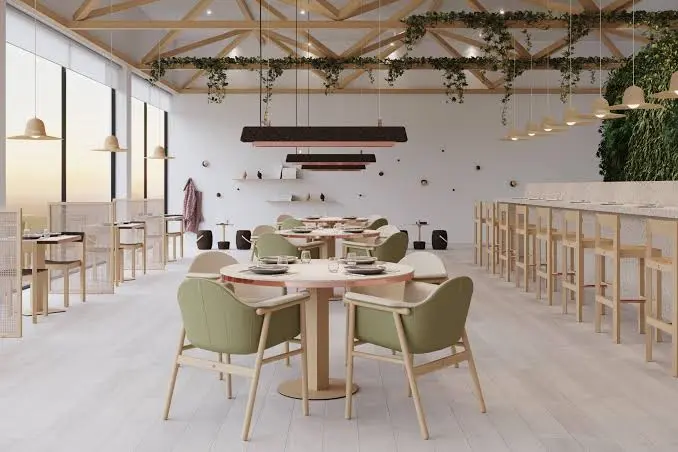

Sustainability is no longer a niche concern for restaurants. Guests increasingly notice single-use plastic, wasteful packaging and disposable décor, and many prefer places that make a visible effort. The good news: an eco-friendly dining room doesn’t require a full rebuild. Here are nine practical swaps that reduce waste, often save money over time and make your space feel warmer.
1. Replace plastic menus with durable natural materials
Laminated menus and plastic sleeves crack, peel and end up in the bin every few months. Menu boards and covers made from responsibly sourced wood or leather last for years. Reusable holders with removable paper inserts mean you only reprint a single sheet when prices change, instead of the whole menu.
2. Use QR codes for information, not to replace hospitality
A QR code for the wine list, allergen details or daily specials can cut printing significantly. The key is balance: keep a printed main menu for guests who prefer it, and put the code on a permanent stand rather than a paper sticker that needs replacing. Wooden QR code signs with an engraved code last for years and look like part of the table setting.
3. Swap disposable napkins for cloth
Linen or cotton napkins cost more upfront but are reused hundreds of times. They also feel more generous and raise the perceived quality of the meal. For casual venues, recycled paper napkins are a good middle ground.
4. Choose LED and warm lighting
LED lamps use far less energy than old incandescent bulbs and last much longer. Choose warm colour temperatures around 2,700K for dining areas so the room stays cosy. Add dimmers and timers to avoid lighting empty rooms.
5. Buy furniture that lasts or is reclaimed
Solid wood tables can be sanded and refinished many times. Reclaimed wood, vintage chairs and locally made furniture reduce the footprint of your fit-out and give the space character that mass-produced furniture lacks.
6. Rethink table décor
Fresh-cut flowers flown in from far away and plastic decorations both carry a hidden cost. Potted herbs, seasonal branches, dried flowers and reusable candle holders create a natural look with less waste. Herbs on the table can even be used in the kitchen.
7. Make reusable signage the default
Printed “reserved” cards, paper table numbers and temporary posters are thrown away constantly. A set of durable reserved signs, engraved table numbers and a changeable letter board for daily specials replaces thousands of printouts over their lifetime.
8. Offer refillable water
Filtered tap water served in carafes removes the need for bottled water and its packaging. Many guests appreciate it, and you can still offer premium sparkling water for those who want it.
9. Tell the story
Guests can’t value what they don’t notice. A short line on the menu, a note on your website or a small card on the table explaining your choices helps guests understand why the menu holder is wooden or why you serve tap water. Be honest and specific: “our menus are reused for years, not reprinted every season” is more convincing than a vague “we care about the planet”.
Where to start
Begin with the items you replace most often, because that’s where the most waste hides. For most restaurants these are menus, napkins, table signs and lighting. Calculate what you spend on reprinting and replacing them each year; the numbers usually make the case for durable alternatives on their own.
A sustainable dining room isn’t about perfection. It’s about choosing things that last, using less of what’s thrown away, and creating a space that feels as good as the food you serve.
Also Read
- https://synonymlabi.com/why-launching-mobile-games-is-a-good-side-hustle/
https://synonymlabi.com/the-8-best-ad-monetization-platforms-in-2026-compared/
https://synonymlabi.com/image-to-video-ai-and-ai-dance-generator-free-turn-your-photos-into-creative-videos/