
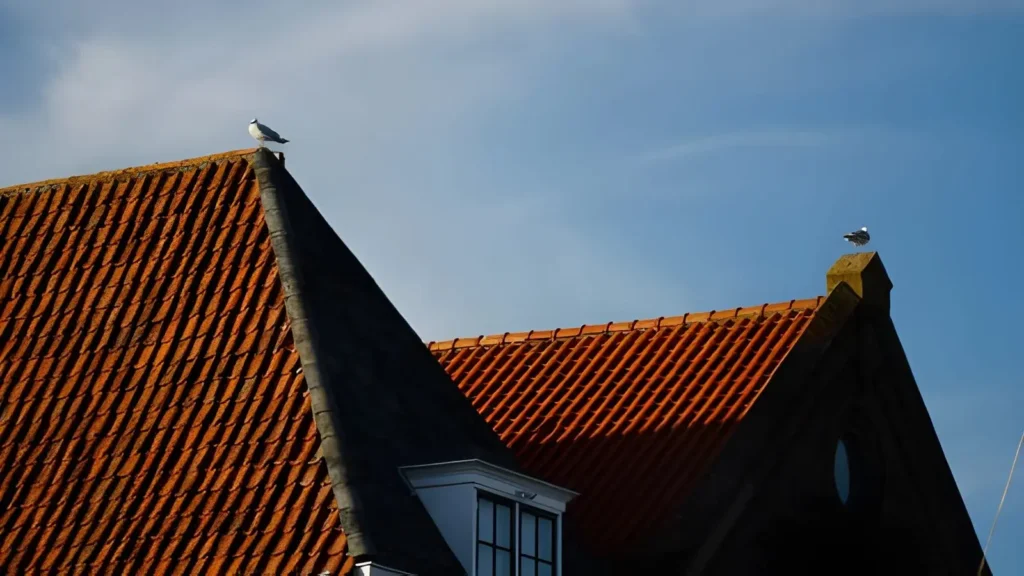

A roof protects your home from rain, wind, sunlight, heat, moisture, and changing weather conditions every day. However, even a high-quality roofing system can deteriorate early when homeowners ignore maintenance or allow minor problems to develop for too long.
Fortunately, extending a roof’s lifespan does not always require expensive improvements. Regular inspections, clean gutters, proper ventilation, timely repairs, and quality materials can all help roofing components perform more effectively for many years.
The key is prevention.
Instead of waiting until water enters the home or shingles begin falling apart, homeowners should monitor the roof throughout the year. Small maintenance tasks performed at the right time can prevent larger structural problems and help homeowners avoid unnecessary repair expenses.
Schedule Regular Roof Inspections
Routine roof inspections provide one of the simplest ways to identify developing problems.
Homeowners should inspect their roofs periodically, particularly after strong storms or periods of severe weather.
Look for:
- Missing shingles
- Cracked or curled shingles
- Loose flashing
- Damaged vents
- Sagging sections
- Moss growth
- Rusted metal components
- Damaged sealant
- Signs of water intrusion
A small defect can quickly become a larger problem when rainwater repeatedly enters the same location.
For example, a loose piece of flashing around a chimney may initially allow only a small amount of moisture inside. Over time, however, that moisture can damage roof decking, insulation, ceilings, and framing.
Therefore, finding the issue early gives homeowners a chance to repair one small component instead of replacing several damaged materials later.
Many homeowners schedule inspections during spring and fall because those seasons allow them to prepare for summer heat and winter weather.
Keep Gutters Clean and Functional
Gutters play an important role in protecting the roof and foundation.
When rain falls on the roof, gutters collect that water and guide it away from the structure.
However, leaves, twigs, dirt, roof granules, and other debris can block water flow.
Once a gutter becomes clogged, water may overflow along the roof edge or collect near the fascia.
This moisture can contribute to wood rot, damaged soffits, mold growth, and roof-edge deterioration.
Therefore, homeowners should clean gutters regularly.
Properties surrounded by large trees may require more frequent cleaning, especially during autumn.
Homeowners should also inspect downspouts.
Water should move freely through the system and discharge away from the foundation.
In addition, damaged or sagging gutters should be repaired before heavy rainfall creates larger drainage problems.
A clean, properly positioned gutter system reduces unnecessary moisture exposure and helps protect both the roof and the rest of the property.
Choose Quality Roofing Materials
Material quality plays a major role in roof durability.
Low-cost materials may reduce the initial installation expense, but they can sometimes require earlier repairs or replacement.
Homeowners should compare materials based on climate, roof design, expected lifespan, maintenance needs, and budget.
Common options include asphalt shingles, metal roofing, clay or concrete tiles, slate, and other specialized materials.
Resources explaining different roofing materials can help homeowners understand how roofing types differ in price, appearance, durability, and installation requirements.
However, homeowners should avoid selecting materials based only on appearance.
Local climate matters significantly.
For example, roofing systems exposed to extreme heat may need strong resistance to ultraviolet radiation. Homes in storm-prone areas may benefit from materials designed to withstand high winds or impact.
Therefore, homeowners should consider long-term performance instead of focusing only on purchase price.
Maintain Proper Roof and Attic Ventilation
Roof ventilation helps control temperature and moisture.
Without adequate airflow, hot and humid air can become trapped inside the attic.
During summer, excessive attic heat may increase cooling demands and place additional stress on roofing materials.
During colder seasons, moisture can accumulate and create condensation.
This repeated moisture exposure can damage insulation, wood framing, and roof decking.
It may also contribute to mold development.
Homeowners concerned about indoor moisture can learn more about conditions in which mold can grow and why moisture management matters inside residential spaces.
A properly designed ventilation system usually combines intake vents and exhaust vents.
Together, they allow cooler air to enter while warm, moist air escapes.
However, homeowners should avoid adding vents randomly.
Too much ventilation in the wrong locations can disrupt airflow.
A roofing or ventilation professional can evaluate whether the existing attic system provides adequate circulation.
Repair Minor Problems Quickly
Small roofing defects rarely improve by themselves.
In fact, weather exposure usually makes them worse.
A slightly lifted shingle may eventually tear away during strong winds.
A cracked seal around a vent may allow repeated water intrusion.
A loose nail can create an opening through which moisture reaches the roof deck.
Therefore, homeowners should repair small problems as soon as they discover them.
Timely repairs usually cost less because the damage remains limited.
Waiting several months can allow moisture to spread into insulation, framing, drywall, or interior finishes.
In addition, repeated exposure to water can make it difficult to determine the original source of the leak.
Early action protects both the roofing system and the areas beneath it.
Trim Overhanging Tree Branches
Trees improve the appearance of a property, but branches that extend directly over the roof can create several problems.
Strong winds may cause branches to scrape against shingles.
Larger limbs can break during storms and damage roofing materials immediately.
Falling leaves can also collect in valleys and gutters, where they trap moisture and interfere with drainage.
Therefore, homeowners should trim branches that hang too close to the roof.
Creating reasonable clearance helps reduce physical damage and limits the amount of organic debris that lands on the roofing surface.
Tree trimming can also increase sunlight exposure in shaded areas.
This may help certain roof sections dry more quickly after rainfall.
However, homeowners should hire qualified tree professionals when large or difficult branches require removal.
Attempting dangerous trimming work without proper equipment can create unnecessary safety risks.
Prevent Moss and Algae Buildup
Moss and algae can develop on roofs that remain damp or shaded for long periods.
Although mild discoloration may appear mostly cosmetic, heavy biological growth can affect roofing performance.
Moss can hold moisture against shingles and sometimes lift their edges as it thickens.
This creates additional opportunities for water penetration.
Therefore, homeowners should monitor shaded roof sections closely.
However, cleaning methods matter.
Aggressive pressure washing can damage shingles or remove protective granules.
Instead, homeowners should use cleaning approaches recommended for the specific roofing material.
When growth becomes extensive, professional roof cleaning may provide a safer option.
Protect Roof Flashing
Flashing protects some of the most vulnerable parts of a roof.
Roofers install flashing around chimneys, skylights, vents, valleys, walls, and other locations where roofing surfaces meet.
These transitions naturally create opportunities for water to enter.
When flashing becomes loose, corroded, cracked, or poorly sealed, leaks may develop.
Therefore, homeowners should include flashing in every roof inspection.
A roofing professional may be able to reseal or replace a small damaged section before water causes widespread problems.
Because flashing failures often occur around penetrations, homeowners should pay special attention to stains or moisture near chimneys, skylights, and roof vents.
Improve Attic Insulation
Insulation works closely with ventilation.
A well-insulated attic helps reduce unwanted heat transfer between indoor living areas and the roof space.
During summer, insulation helps keep heat from entering rooms below.
During winter, it limits heat loss through the ceiling.
This improves indoor comfort while reducing the workload on heating and cooling equipment.
Insulation can also influence roof conditions.
For example, inconsistent attic temperatures may contribute to condensation or uneven snow melting in colder climates.
Therefore, homeowners should evaluate insulation when addressing roofing efficiency.
Damaged, compressed, wet, or insufficient insulation may need replacement or improvement.
Avoid Walking on the Roof Unnecessarily
Walking on roofing materials can cause damage, especially when shingles are old, brittle, hot, or wet.
Foot traffic may crack tiles, loosen granules, or damage vulnerable sections.
Therefore, homeowners should avoid walking across the roof unless necessary.
Professional roofers use appropriate safety equipment and understand how to move across different roofing materials without causing unnecessary damage.
If a homeowner needs to inspect a problem but cannot safely view it from the ground, hiring a professional usually provides a better option than climbing onto the roof.
Check the Roof After Severe Weather
Storms can damage a roof even when the damage is not immediately visible.
High winds may loosen shingles or flashing.
Hail can damage protective surfaces.
Falling branches may crack roofing materials.
Heavy rainfall can expose weaknesses that were previously unnoticed.
Therefore, homeowners should visually inspect the property after major storms.
From the ground, look for missing shingles, fallen debris, damaged gutters, or unusual roofing sections.
Inside the home, check ceilings and attic spaces for new stains or moisture.
Finding storm damage early helps prevent repeated exposure during future rainfall.
Know When Professional Roofing Help Is Necessary
Some roofing maintenance tasks are suitable for homeowners, while others require professional experience.
Large leaks, significant storm damage, sagging roof sections, damaged structural components, and widespread shingle failure should receive professional attention.
Roofing work also involves height, tools, and potentially unstable surfaces.
Therefore, safety should remain a priority.
Experienced roofers can inspect areas that homeowners cannot safely access and identify problems that may not appear obvious from the ground.
Homeowners looking for roofing guidance and local professional assistance can visit ISP Denver when exploring maintenance, repair, or roofing service options.
Professional inspections become especially valuable for older roofs or properties that have experienced severe weather.
Keep Records of Roof Maintenance
Homeowners should document roof inspections and repairs.
Keep receipts, contractor reports, warranty information, photographs, and records of major maintenance.
This information helps track the roof’s condition over time.
For example, repeated repairs in the same area may indicate a larger underlying issue.
Maintenance records can also help roofing contractors understand previous work.
Furthermore, documentation may become useful when selling the property because it demonstrates that the homeowner maintained the roof consistently.
Understand When Replacement Makes More Sense
Maintenance can extend roof life, but no roofing system lasts forever.
Eventually, replacement may become more practical than continued repairs.
Homeowners should consider roof age, frequency of leaks, overall material condition, repair costs, and structural concerns.
A roof that requires repeated repairs every year may become increasingly expensive to maintain.
In contrast, replacing the system can provide better long-term protection and reduce uncertainty.
A professional roofer can evaluate whether individual repairs still make financial sense or whether replacement offers stronger long-term value.
Conclusion
A long-lasting roof depends on consistent care rather than one major maintenance project.
Regular inspections, clean gutters, proper ventilation, quality materials, attic insulation, fast repairs, and professional maintenance all contribute to stronger roof performance.
Homeowners should also control moisture, trim nearby branches, protect flashing, and inspect the roof after severe weather.
Most importantly, they should not ignore small warning signs.
A minor leak, loose shingle, clogged gutter, or cracked seal can eventually lead to expensive structural damage if left unresolved.
By taking a proactive approach, homeowners can extend the useful life of their roofing system while protecting the rest of the property.
A well-maintained roof does more than keep rain outside. It protects the structure, supports energy efficiency, preserves property value, and provides lasting peace of mind for everyone inside the home.
Also Read
- 50+Synonyms of Stoic to Improve Your Vocabulary
- Synonyms for World: Powerful Words for Earth, Life, and Reality
- Synonyms for Flexible:54+ Powerful Words for Every Situation