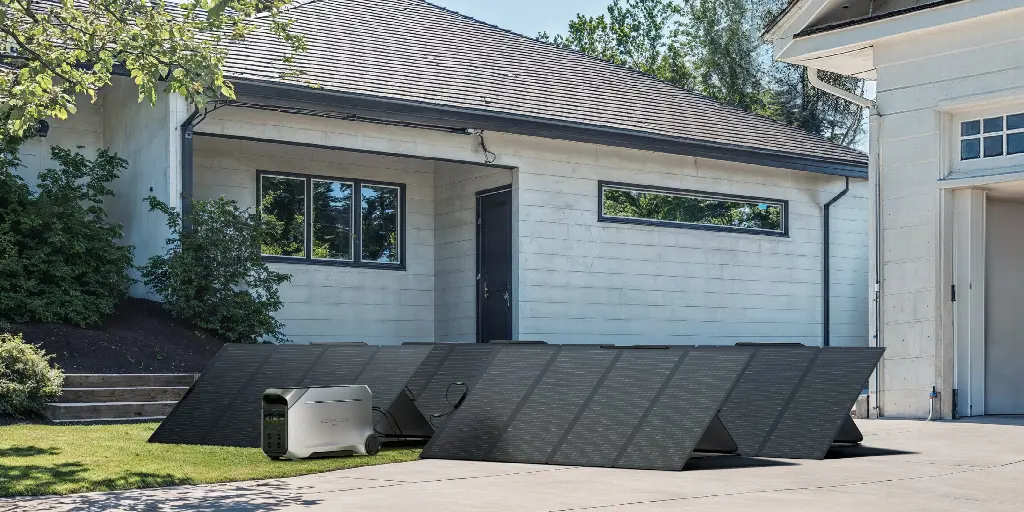

Yes, you can add a home solar battery to existing panels, and the right setup usually depends on your inverter, wiring layout, and backup goals. Some systems accept storage with minimal changes, while others need additional equipment to manage charging, discharging, and outage operation safely. Before choosing a battery, confirm how your current solar array is configured and whether you want to lower evening grid use, gain backup power, or both. That early assessment shapes the best connection method, battery size, and installation scope. A clear plan helps you avoid compatibility issues and choose storage that fits how your home actually uses energy.
Check What Your Existing Solar System Supports
Identify Your Inverter and Panel Configuration
Start by checking the type and model of inverter already installed with your solar panels. This component determines whether your system can accept battery storage directly or whether you need separate battery hardware. A standard grid-tied string inverter often requires an AC-coupled battery setup, while a hybrid inverter may support direct battery connection. You should also confirm panel capacity, number of strings, available input channels, and whether any export-limiting or monitoring equipment is already in place. Review the original system design documents if available, then compare those details with current site conditions. Knowing exactly how your panels and inverter operate makes battery planning faster, safer, and much more accurate for any upgrade.
Define How You Want to Use Stored Energy
Decide what you want the battery to do before you compare products or installation options. If your goal is to use more of your daytime solar power at night, focus on daily cycling and enough storage to cover evening demand. If you want backup during outages, identify which circuits must stay on, such as refrigeration, lighting, internet equipment, or medical devices. Some homeowners want both self-consumption and emergency resilience, which changes the control strategy and may require a protected loads panel. Defining the purpose early helps you choose suitable battery capacity, inverter functionality, and transfer equipment. It also makes it easier for an installer to design a system that matches real household priorities.
Understand How the Battery Can Connect
Add Storage Through an AC-Coupled System
An AC-coupled system is a common way to add a battery to existing solar panels when the current inverter does not support direct battery input. In this design, your solar inverter continues handling the panels, and the battery uses its own inverter-charger on the AC side of the home’s electrical system. That makes retrofits simpler because you usually do not need to replace the original solar inverter. The battery charges from excess solar production and can discharge later to support household loads. For backup use, the system also needs the right switching and isolation equipment so it can operate safely during a grid outage. This approach works well for many established residential solar installations.
Use a Compatible Hybrid Inverter for DC-Coupled Storage
DC-coupled storage connects the battery on the direct current side through a compatible hybrid inverter. This setup can improve charging efficiency because solar energy can move into the battery before being converted for home use. It often suits homeowners replacing an older inverter or installing major system upgrades rather than doing the simplest retrofit. A hybrid inverter must support your panel voltage range, battery communication requirements, and desired operating modes, including backup if needed. Before selecting equipment, confirm that the inverter and battery are approved to work together.
Plan Battery Capacity and Backup Operation
Size Storage Around Surplus Solar and Essential Loads
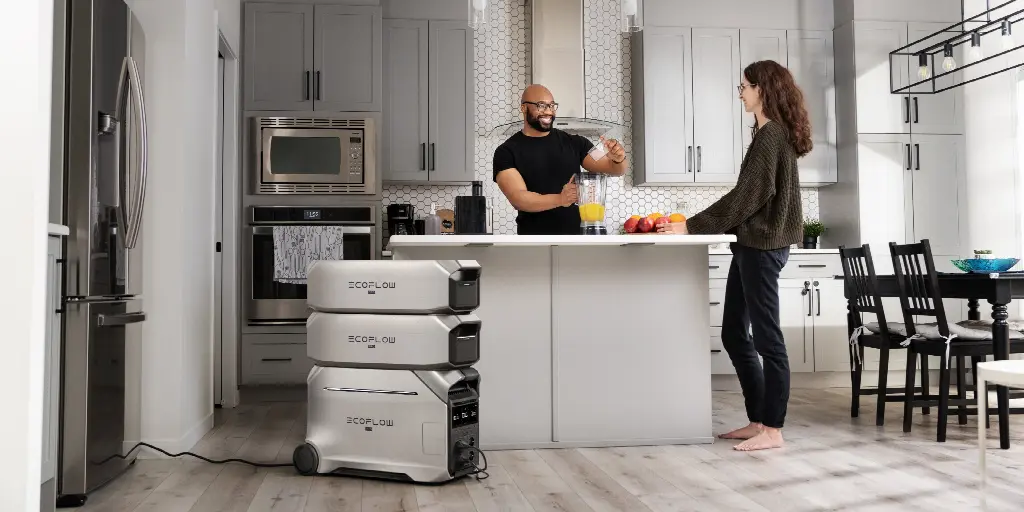
Choose home solar battery size based on two practical numbers: how much excess solar your system produces and how much energy your home needs after sunset or during an outage. Start with daily consumption data from utility bills or monitoring apps, then compare that with midday solar surplus that would otherwise be exported. For backup planning, total the wattage and expected runtime of essential loads rather than trying to power the whole house unnecessarily. A well-sized battery should recharge regularly from solar, reduce evening grid use, and provide meaningful backup support without overspending on storage that rarely gets fully used. If you are evaluating expandable storage, EcoFlow DELTA Pro 3 offers expandable capacity from 4–12kWh, which can help align storage growth with household energy needs over time.
Confirm Integration Before Choosing Equipment
Before buying any battery, confirm that all key components can integrate properly. That means checking inverter compatibility, battery communication protocols, allowable operating voltages, site wiring capacity, and whether your electrical panel can support the required interconnection. If backup power is part of the plan, verify that the design includes transfer functionality, protected loads wiring, and any code-required isolation devices. You should also review permitting, utility approval rules, and installer commissioning requirements so the system can operate as intended after installation. A battery may look suitable on paper but still fail to fit the existing solar setup cleanly. Confirming integration first helps prevent redesigns, delays, and costly equipment mismatches.
Conclusion
Adding a home solar battery to existing panels is absolutely possible, and the best path starts with understanding your current inverter and energy goals. Once you know whether your system supports AC-coupled or DC-coupled storage, you can size the battery around surplus generation, evening use, and any critical backup loads. That process leads to a practical upgrade instead of an oversized or incompatible one. The key steps are straightforward: identify your equipment, define how you want storage to work, and confirm integration details before purchasing. With that approach, you can add battery storage confidently and make your existing solar system work harder for your home.
Also Read
- queued-and-ready-how-multi-round-betting-works-in-instant-games/
- convenient-iot-tech-and-how-it-shapes-our-lives-at-home/
- why-launching-mobile-games-is-a-good-side-hustle/