
A robot vacuum and mop can keep rugs dry when it uses the right protection features and you set it up for your home. The key is simple: the wet mopping parts must avoid carpeted areas completely or stay high enough that they never touch the fibers. That matters in homes with mixed flooring, where hard surfaces, runners, and area rugs often sit close together. Good results come from a combination of hardware and setup, including mop lifting, automatic mop removal, carpet detection, and app-based no-mop zones. Rug thickness and placement also affect performance, so it helps to match the robot’s cleaning method to the type of rug you own.
What Keeps Wet Mops Away From Rugs?
Mop Lifting and Removal Prevent Direct Contact
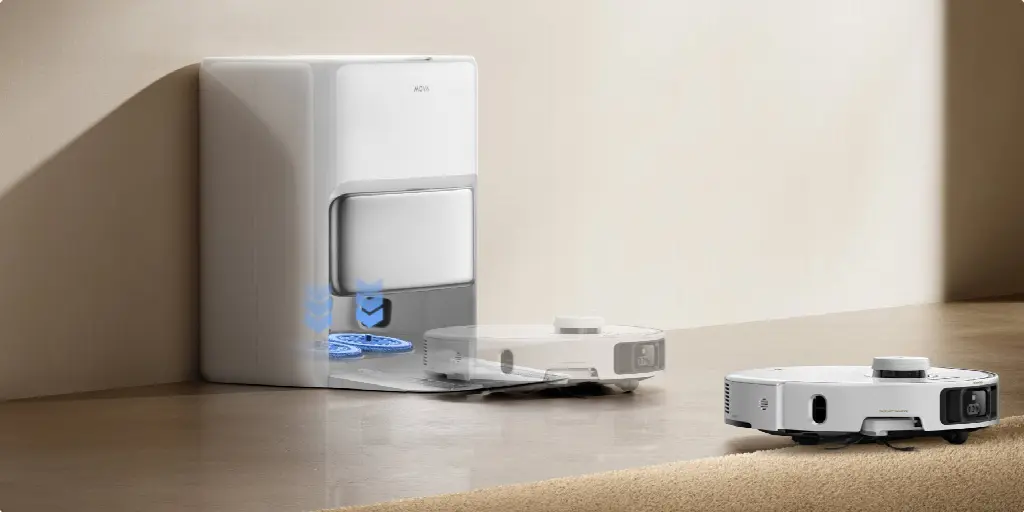
The most reliable way to keep rugs dry is to stop the wet mop from touching them at all. Some robot vacuum and mop models do that by lifting the mop when carpet is detected, while others go further and remove the mop automatically before entering ruged spaces. The MOVA P50 Pro Ultra Robot Vacuum includes automatic mop removal and reattachment, which helps it switch between mopping hard floors and vacuuming carpet without dragging damp pads across rugs. That direct separation is especially useful in homes where rugs connect tightly to tile, vinyl, or wood. When a robot can physically lift or detach the wet cleaning module, it greatly reduces the chance of moisture transfer, streaking, or damp carpet edges.
Carpet Shields Provide a Physical Barrier
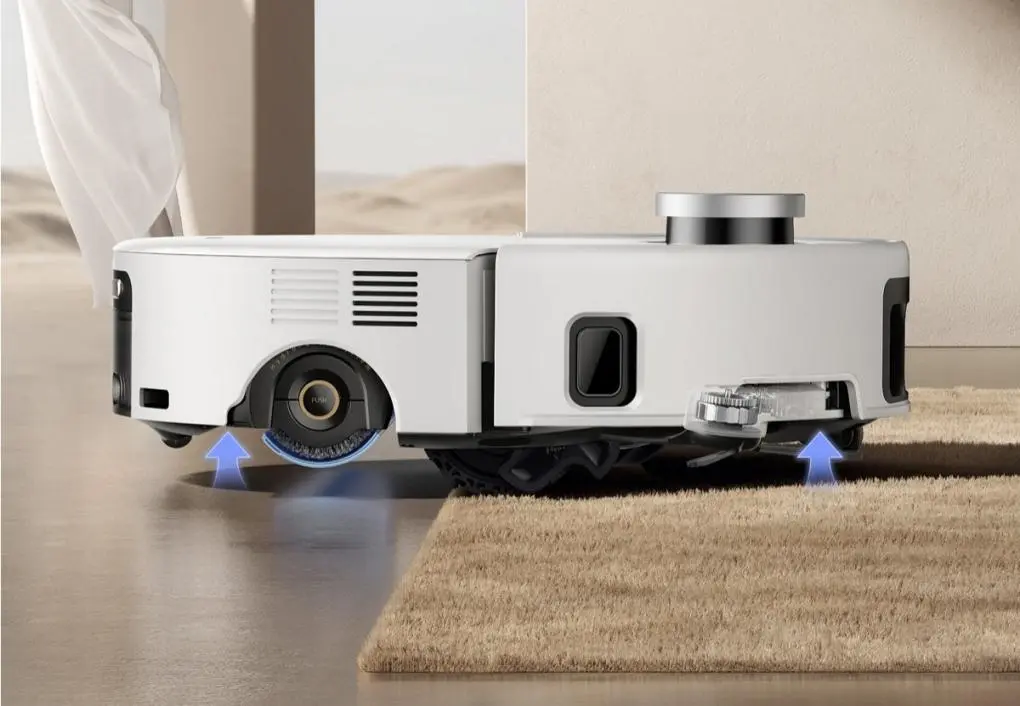
A physical barrier adds another layer of rug protection because it does more than raise the mop; it also covers the wet surface. The MOVA Z60 Ultra Roller SA uses AutoShield™ technology to detect carpets and rugs, then automatically lifts the roller mop by 14mm while rotating a shield to cover the roller. That combination helps prevent both direct contact and incidental moisture from brushing onto rug fibers. This approach is useful around low transitions where a mop might otherwise graze the edge of a rug while climbing. Shielded mopping also supports mixed-room cleaning, since the robot vacuum with mop can move through connected spaces with less risk of leaving damp marks. For homes with frequent rug crossings, barrier protection is a practical safeguard.
Match the Cleaning Approach to Your Rug
Check Clearance on Low-Pile Rugs
Low-pile rugs are usually the easiest for a robot vacuum and mop to handle, but clearance still matters. Even when the mop lifts, the robot needs enough height to pass over the rug without brushing damp components against the surface. Start by checking whether the rug has flat edges, tight weave construction, and a low profile that will not catch under the machine. Rugs with curled corners or raised borders can interfere with smooth navigation and increase the chance of contact. If your robot offers carpet detection and mop lifting, test that response on each low-pile rug rather than assuming all rugs behave the same way. A clean pass over the rug should leave fibers completely dry and undisturbed.
Use Extra Caution With Thick or Delicate Rugs
Thick, high-pile, shag, or delicate rugs need more protection because they sit higher and can brush against the underside of the robot. Soft natural-fiber rugs and decorative pieces with fringe also deserve special care. Even if the mop lifts, deep pile can still reach the damp area if the rug stands tall enough. For those rugs, the safest plan is to keep the robot in vacuum-only mode nearby or exclude the rug from mopping altogether with app controls. If the rug has loose edges, tassels, or an uneven surface, the robot may climb awkwardly and drag moisture where you do not want it. Treat valuable or plush rugs as protected zones first, then expand cleaning access only after a successful dry test.
Build a Cleaning Routine That Protects Rugs
Set Rug Boundaries Before Mopping
App-based boundaries are one of the simplest ways to protect rugs during a mopping cycle. Before you automate anything, map your rooms carefully and mark area rugs, runners, and carpeted sections as no-mop zones where needed. This tells the robot to avoid those surfaces even if it can detect carpet on its own. That extra rule matters because real homes include irregular rug shapes, overlapping edges, and narrow transitions that sensors may approach differently from one pass to the next. Place the boundary slightly wider than the rug edge to create a margin of safety. Once saved, these settings help the robot clean hard floors efficiently while keeping moisture away from rugs that should stay fully dry.
Test One Run Before Automating the Schedule
Before setting a daily or weekly cleaning schedule, watch one complete run from start to finish. A supervised test shows how the robot approaches each rug, whether it lifts or removes the mop at the right moment, and whether any corners, fringes, or raised edges create problems. Pay attention to transition points between hard flooring and carpet, since those areas reveal most moisture risks. If you notice a close pass, adjust the map, widen the no-mop zone, or change the cleaning mode for that room. After one successful dry run, automation becomes much more reliable because your settings are based on how the robot actually behaves in your layout, not just on feature descriptions.
Conclusion
Yes, a robot vacuum and mop can keep rugs dry when it combines strong carpet protection features with the right setup. Mop lifting, automatic mop removal, shielded mopping, and carefully placed no-mop zones all help prevent wet contact. Low-pile rugs are usually easier to manage, while thick or delicate rugs should get stricter protection. The best approach is practical: check rug clearance, map boundaries, and supervise one test run before relying on an automated schedule. When those steps are in place, a robot vacuum and mop can clean mixed floors effectively without soaking the rugs you want to protect.
Also Read
- dmpk-cro-review-what-should-drug-developers-compare/
- /vr-entertainment-franchises-and-licensing-models-in-2026/
- hybrid-work-solutions-in-india-powering-the-next-phase-of-it-ites-growth/