
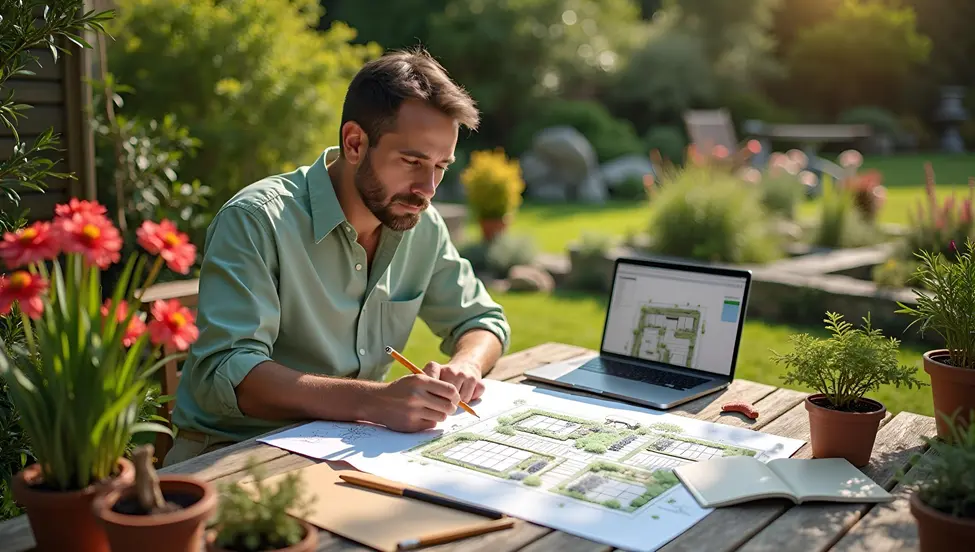

A home is more than a structure surrounded by walls, windows and doors. It is where routines take shape, relationships grow and everyday experiences become lasting memories. As urban lifestyles evolve, homebuyers are increasingly looking beyond square footage and aesthetics to understand what truly contributes to long-term residential value. Location, thoughtful planning, functionality, connectivity and sustainability have become equally important considerations when choosing a home that can support both present needs and future aspirations. For those looking to buy residential property in Bangalore, understanding these elements can make the journey more informed and purposeful.
Why Location Continues to Define Residential Value
The location of a home has a direct influence on convenience, accessibility and long-term desirability. A well-positioned residential development can provide easier access to workplaces, educational institutions, healthcare facilities, shopping destinations and entertainment options. It can also reduce the everyday stress associated with long commutes and limited connectivity.
Bangalore, with its expanding infrastructure and diverse employment hubs, offers a wide range of residential micro-markets. However, choosing a location should involve more than identifying a popular neighbourhood. Buyers should consider road connectivity, public transportation, upcoming infrastructure, social amenities and the overall development trajectory of the area. A location that balances accessibility with a comfortable residential environment can contribute significantly to the usefulness and enduring appeal of a home. It is therefore important to evaluate not only what a neighbourhood offers today, but also how it may evolve over time.
Designing a Lifestyle, Not Just a Floor Plan
Modern residential development increasingly focuses on how people actually use their homes and surrounding spaces. A thoughtfully planned home considers movement, privacy, natural light, ventilation, storage and the changing needs of its residents. Functional planning can make everyday activities more convenient. Well-organised layouts can create a sense of openness while ensuring that different areas serve their intended purposes effectively. Equally important are shared amenities and community spaces that encourage recreation, relaxation and social interaction.
For families, this approach can mean dedicated spaces for children, comfortable common areas and environments that support different routines. For professionals, efficient layouts and thoughtfully integrated amenities can create a better balance between work and personal life. A home becomes more meaningful when its design responds to real lifestyles rather than simply following temporary design trends. This makes planning an essential part of evaluating the overall residential experience.
The Importance of Quality in Everyday Living
Quality should be assessed beyond the appearance of a property. Construction practices, materials, finishes, infrastructure, safety provisions and maintenance considerations all contribute to the experience of living in a development. When evaluating a residential property for sale, prospective buyers should look carefully at the developer’s approach to quality and project execution. Factors such as construction standards, attention to detail, transparency in communication and consistency in delivery can provide useful insights into the overall development philosophy.
Quality also extends to the spaces surrounding the home. Well-maintained common areas, functional facilities, landscaped surroundings and properly planned circulation can influence how comfortable a community feels over the years. A strong focus on quality can therefore create value that goes beyond the initial purchase. It contributes to durability, convenience and confidence in the long-term usability of the property.
Sustainability as a Long-Term Consideration
The modern definition of a well-planned home increasingly includes environmental responsibility. Sustainable residential development can incorporate practices that make better use of resources while creating healthier and more efficient living environments. Natural lighting, ventilation, water management, energy-efficient systems and thoughtfully designed open spaces are examples of considerations that can influence both environmental performance and everyday comfort. Such features may also contribute to more responsible resource consumption over the long term.
Transparency Builds Confidence
Purchasing a home is a significant financial and emotional decision. Buyers therefore need clarity at every stage, from understanding the project and its specifications to evaluating documentation, costs, timelines and available facilities. A transparent approach allows prospective homeowners to make decisions based on clear information rather than assumptions. Consistent communication can also establish greater confidence between a developer and its customers.
This becomes especially important when evaluating long-term value. A property is not simply a product purchased at one point in time; it is an investment in a living environment that may remain relevant for many years. Clear processes and responsible engagement can make the overall homebuying experience more dependable.
Building for the Future
The value of a well-planned home is closely connected to its ability to remain relevant as circumstances change. Family structures may evolve, work patterns may shift and neighbourhoods may develop new infrastructure and amenities. Homes designed with adaptability, practical layouts and durable infrastructure can respond better to these changes. Similarly, developments situated in growing areas may benefit from improvements in connectivity and surrounding social infrastructure.
However, future potential should always be evaluated carefully rather than assumed. Buyers can examine the area’s development plans, accessibility, existing infrastructure and broader residential demand before making a decision. Thinking beyond immediate requirements encourages buyers to consider the complete lifecycle of a property. This approach can help transform a home purchase from a short-term decision into a more considered long-term commitment.
Final Thoughts
Choosing a home requires a broader perspective. Location establishes connectivity, planning shapes functionality, quality supports durability, sustainability addresses future responsibilities and community design influences everyday experiences. Together, these elements create a more complete understanding of residential value. For prospective buyers, the objective should be to assess how well a property aligns with their lifestyle, financial considerations and long-term expectations. Comparing developments based on planning quality, accessibility, construction standards, transparency and future relevance can provide a stronger foundation for decision-making.
A well-planned home ultimately represents more than an address. It reflects an approach to living that brings together comfort, functionality and lasting purpose. This philosophy is also reflected in the work of Genurise Builders, whose approach to residential development centres on thoughtful design, practical planning, quality-focused execution and a customer-oriented outlook. With an emphasis on responsible development, sustainability, transparency and enduring value, the brand’s perspective demonstrates how carefully considered spaces can contribute to better everyday living.
Also Read
- /common-misconceptions-about-criminal-defense-attorneys/
- /mastering-the-1xbet-color-prediction-game-a-comprehensive-guide-for-indian-players/
- top-10-ethical-hacking-institutes-in-mumbai-courses-curriculum-comparison/