
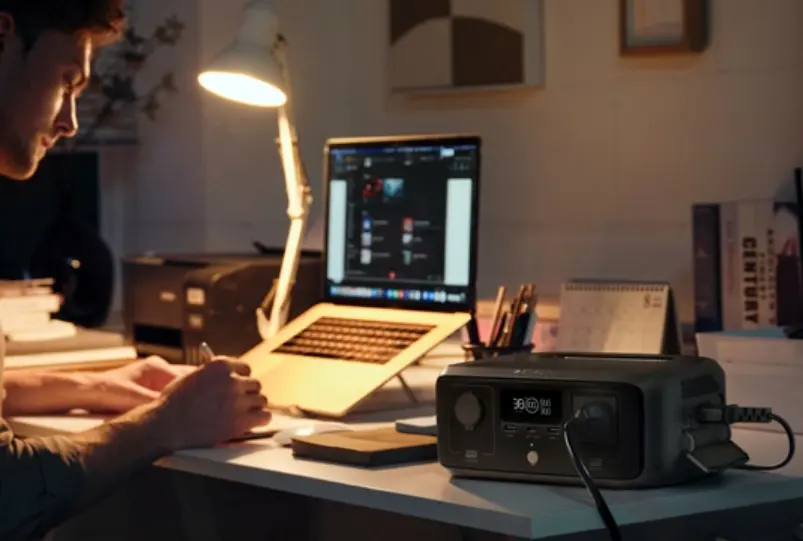

Portable power backup can be very practical for condo living because it supports the devices and small appliances people rely on most during short or extended outages. A well-chosen unit can keep internet equipment, phones, lights, laptops, fans, and some kitchen essentials running without the noise, fumes, or fuel storage issues of traditional generators. Condo residents, however, need to think carefully about battery size, power output, available floor space, charging options, and building rules. The right setup should fit daily routines, emergency priorities, and the physical limits of a smaller home.
What Do You Need to Keep Running During an Outage?
Prioritize Work, Communication, and Basic Comfort
Start by identifying the items that matter most in a condo outage: your phone, laptop, modem, router, a few lights, and perhaps a fan. If you work from home, reliable backup for internet access and computer charging usually comes first. Communication also matters, especially for elevator notices, building updates, and emergency alerts. After that, think about basic comfort and safety, such as powering a bedside lamp, small medical device, or compact appliance for simple meals. A practical portable power backup plan focuses on essentials rather than trying to run everything at once. That approach keeps costs reasonable and helps you choose a unit that fits condo space and daily needs better.
Check Appliance Demand and Expected Runtime
After listing essentials, check each device’s wattage and estimate how many hours you want it to run. A modem and router may draw little power, while a microwave, coffee maker, or portable heater can drain a battery quickly. Runtime depends on both battery capacity and total load, so adding several small devices together matters. Look for the running watt requirement on labels or manuals, then compare that number with the backup unit’s continuous output. Also consider startup surges from some appliances. This simple load calculation prevents unrealistic expectations and helps you avoid buying too little capacity for overnight use or paying for much more power than your condo routine actually requires.
Can the Unit Fit Comfortably Into Your Condo?
Assess Placement, Ventilation, and Fan Noise
Placement matters in a condo because usable space is limited and shared walls make noise more noticeable. Choose a spot that stays dry, stable, and easy to access during an outage, such as a utility nook, home office corner, or closet with proper airflow. Portable power stations should have enough ventilation around them so heat can dissipate during charging and heavy use. Fan noise also deserves attention if the unit may run near a bed or desk. Quieter operation is especially important in studio layouts or one-bedroom condos where every room serves multiple purposes. A compact backup system works best when it supports your routine without blocking walkways or creating daily inconvenience.
Consider Weight, Storage, and Building Requirements
A portable power backup unit should be easy to store without turning your condo into a cluttered equipment room. Before buying, measure the storage area and check whether you can move the unit safely from shelf to floor when needed. Larger-capacity systems offer longer runtime, but they also take up more space and can be much heavier. Condo residents should also review building rules related to battery equipment, hallway obstruction, balcony use, and emergency access. While battery power stations avoid fuel-storage concerns, management may still have placement or safety expectations. Choosing a unit that fits both your floor plan and your building’s practical requirements will make ownership simpler and more realistic.
Which Backup Setup Matches Your Condo Routine?
Match Battery Size to Your Essential Loads
The best setup is the one that matches your real outage routine, not a worst-case fantasy list of appliances. For light essentials, the EcoFlow RIVER 3 (UPS) offers 245Wh capacity, 300W output, and 600W X-Boost, which can suit phones, laptops, lighting, and networking gear. If you need to cover a refrigerator, kitchen devices, or longer work hours, the EcoFlow DELTA 3 provides 1-5kWh capacity, 1800W output, and 2200W output with 3600W surge using X-Boost. For larger condos or heavier loads, the EcoFlow DELTA 3 Ultra Plus ranges from 3-11kWh, with 3600W output and 7200W surge capacity for broader whole-home support.
Plan Recharging and Assess Overall Value
Recharging is a major part of practicality because a backup unit only helps if you can restore power between outages. In a condo, wall charging is usually the main option, so think about how quickly you need the battery ready again after use. If your building allows it and your layout works, additional charging methods may add flexibility, but everyday convenience still matters most. Value should be measured by how well the unit protects work continuity, food storage, communication, and comfort during real outages. A properly sized portable power backup system often delivers stronger long-term value than an oversized unit that costs more, occupies extra space, and rarely uses its full capability.
Conclusion
Portable power backup is practical for condo living when it is sized around essential needs, available space, and realistic outage habits. The key is to focus on what you truly need to keep running, confirm the wattage and runtime, and choose a unit that fits comfortably in your home without creating storage or noise problems. Condo residents also benefit from checking building expectations before purchasing. When selected carefully, a portable battery backup can provide dependable support for work, communication, lighting, and basic comfort. That makes it a smart preparedness tool for many condo households, especially where outages disrupt daily routines and remote work.
Also Read
- foot-friendly-fashion-how-to-choose-the-right-shoes/
- /personal-loan-for-first-time-borrowers-what-lenders-actually-check/
- /evolution-of-entertainment-in-modern-slot-games/