
Solar generator size for camping should reflect the kind of campsite you want to run. Charging phones for a weekend requires a very different energy reserve from powering cooking equipment, cooling, lights, entertainment, and other electrical comforts for a group. Capacity matters, but it is only one dimension of size. Output, trip length, appliance combinations, and room for changing plans also affect the decision. A useful camping setup starts by defining the experience first, then matching the power system to it.
Size the Generator Around Your Camping Style
A Simple Campsite Needs a Smaller Energy Reserve
Start by listing what electricity actually contributes to the trip. A minimalist setup may involve phones, cameras, lights, and other small electronics. These loads often operate briefly or require occasional charging rather than continuous power. That keeps the daily energy requirement relatively modest. A more developed campsite may add refrigeration, cooking equipment, entertainment, or climate-related appliances. Instead of starting with a target battery capacity, estimate how many watt-hours these activities consume over one day. Then multiply that daily requirement by the expected number of days between meaningful recharging opportunities. This method keeps the calculation tied to the trip itself and prevents battery size from becoming an abstract specification with little connection to how the campsite operates.
Comfort-Oriented Camping Changes the Scale
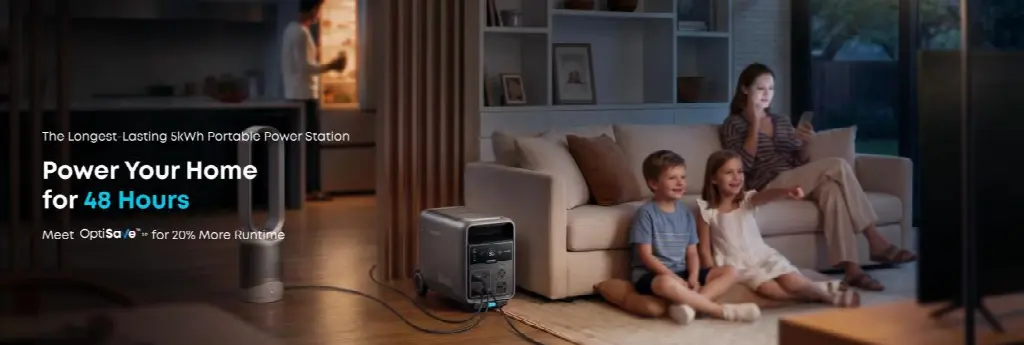
Camping becomes a different electrical task when the goal is to bring more household-style comfort outdoors. A 5kWh-class system such as the Anker SOLIX S5000 provides 5,024Wh of base capacity. That amount of stored energy suits a more power-intensive category than basic device charging. Output also matters at this scale. The S5000 provides 4,500W rated output and 8,000W peak output, allowing it to support demanding equipment within its specifications. For context, Anker’s supplied appliance examples include a 1,050W coffee maker and a 1,250W microwave. Campers comparing larger portable power stations should therefore examine capacity and output together. Capacity indicates how much energy is stored, while output determines how much electrical demand the station can serve at a given moment.
Group Size Can Matter More Than Tent Count
Two campsites with the same number of tents may have completely different power requirements. Consider how many people share the electrical system and how often they use it. A solo camper might charge one phone and one camera. A family or larger group could have several phones, tablets, lights, cooking devices, and other equipment drawing from the same battery. Shared power also creates overlapping demand. Breakfast may bring coffee preparation and other appliances into operation together, while evening may combine lighting, entertainment, and device charging. Count users and routines rather than simply counting sleeping spaces. This gives a clearer picture of both daily energy consumption and simultaneous wattage, which are the two figures that should guide generator sizing.
Leave Room for the Trip to Grow
Count Nights Between Reliable Energy Stops
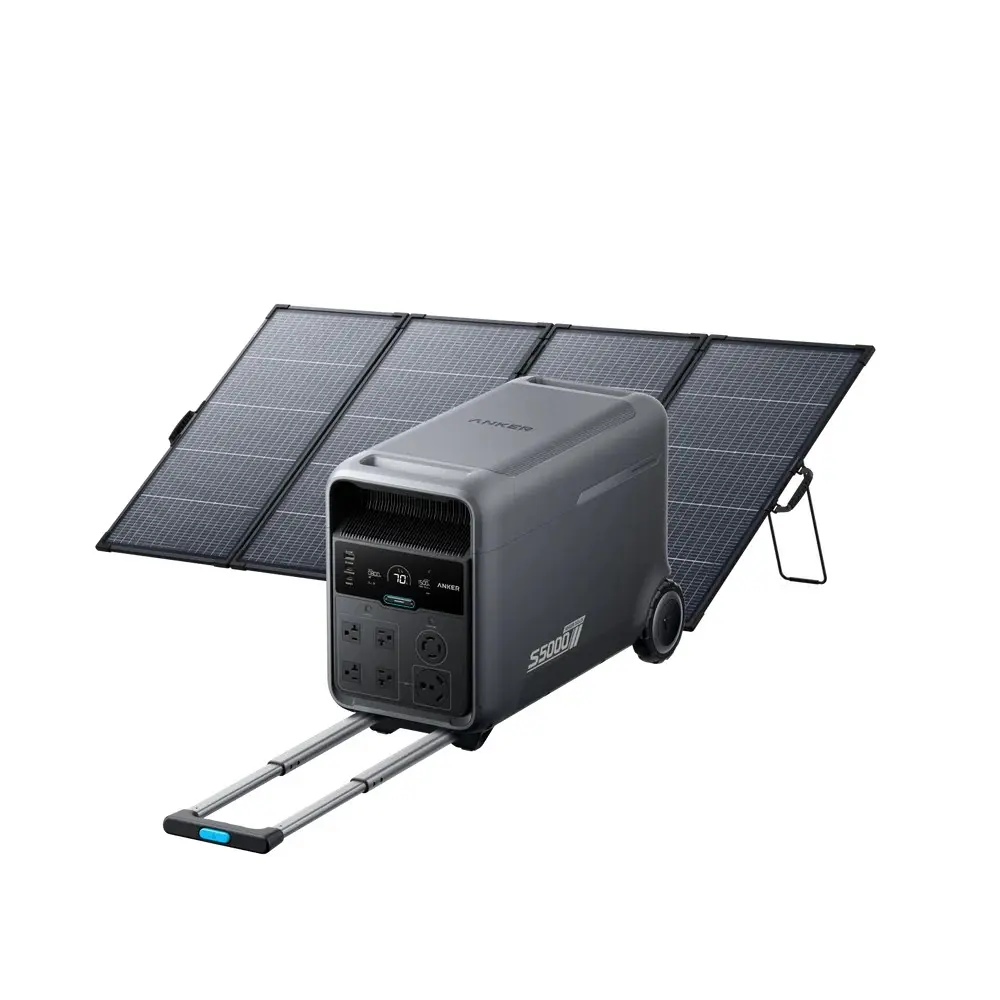
A three-night camping trip does not automatically require three days of stored energy. What matters is the longest period between opportunities to replenish the battery. A campsite with regular daytime charging creates a different sizing requirement from an extended stay that depends mainly on the energy brought in at arrival. The S5000 supports up to 3,000W solar input and can pair with a 400W solar panel or 400W bifacial solar panel. For longer camping stays, this means capacity can be considered alongside the energy expected to return to the battery. Rather than asking only, “How large should the battery be?”, ask, “How much energy must the battery carry from one reliable recharge opportunity to the next?”
Extra Capacity Creates Flexibility for Changing Plans
Camping plans rarely remain identical from the first day to the last. A group may decide to stay longer, prepare more meals at camp, add another electrical device, or spend more time around the campsite. A system with some capacity beyond the calculated core requirement gives those changing activities more room. The S5000 starts at 5kWh and supports expansion from 5 to 30kWh. That scalability is particularly relevant when the same power system may later serve longer stays or more substantial backup applications. The battery is based on 314Ah LFP cells, with a stated 10,000-cycle life and 15-year lifespan. For buyers planning repeated camping seasons, generator size can therefore reflect future patterns as well as the requirements of one immediate weekend.
Physical Size Still Belongs in the Decision
Electrical capacity is only useful outdoors if the equipment fits the way people travel. Larger-capacity systems should therefore be judged by storage and movement as well as watt-hours. The S5000 measures 10.6 × 22.0 × 15.2 inches and weighs 97 pounds. Its built-in wheels and handle provide a practical way to reposition the unit between a vehicle, storage area, and campsite. Anker describes the S5000 as 45% smaller and 28% lighter within its stated 5kWh comparison. Before choosing a camping generator, measure the intended vehicle space and decide where the station will operate after arrival. This physical check completes the sizing process because “right size” refers to both the electrical system and the equipment that must travel with it.
Conclusion
The right solar generator size for camping comes from the experience you plan to power. Estimate daily energy consumption, check simultaneous appliance demand, count the time between recharge opportunities, and consider how the trip may expand. Small electronics call for a different energy reserve than a comfort-focused family campsite with cooking and larger appliances. For higher-demand camping, the Anker SOLIX S5000 combines 5,024Wh of base capacity, 4,500W rated output, scalable storage, and a wheeled design that fits a more substantial outdoor power setup.
Also Read
- /common-misconceptions-about-criminal-defense-attorneys/
- /mastering-the-1xbet-color-prediction-game-a-comprehensive-guide-for-indian-players/
- top-10-ethical-hacking-institutes-in-mumbai-courses-curriculum-comparison/