
Building tasks generate an intensive amount of data before the first worker arrives on the job site. Floor plans, specifications, schedules, fashions, fabric information, revisions, and cost statistics all need to be put together. When the various portions become disconnected, even a small documentation mistake can create delays that spread across the project.
AEC companies are consequently transitioning to smarter documentation workflows that integrate virtual drafting, model-based total coordination, cloud collaboration, automated estimating, and information management. The intention isn’t simply to supply drawings more quickly. It is to create dependable information that people can use with a piece of achievement at every diploma of an undertaking.
A properly prepared documentation process can assist corporations in identifying inconsistencies earlier, communicate changes more effectively, and reduce the amount of time spent looking for appropriate information.
Turning Project Information Into Reliable Documentation
Traditional drawing workflows often involve more than one revision passing among architects, engineers, contractors, professionals, and proprietors. Without robust file management, a previous drawing can, without issue, find its way into a conconstruction even onmanufacturing internet website online.
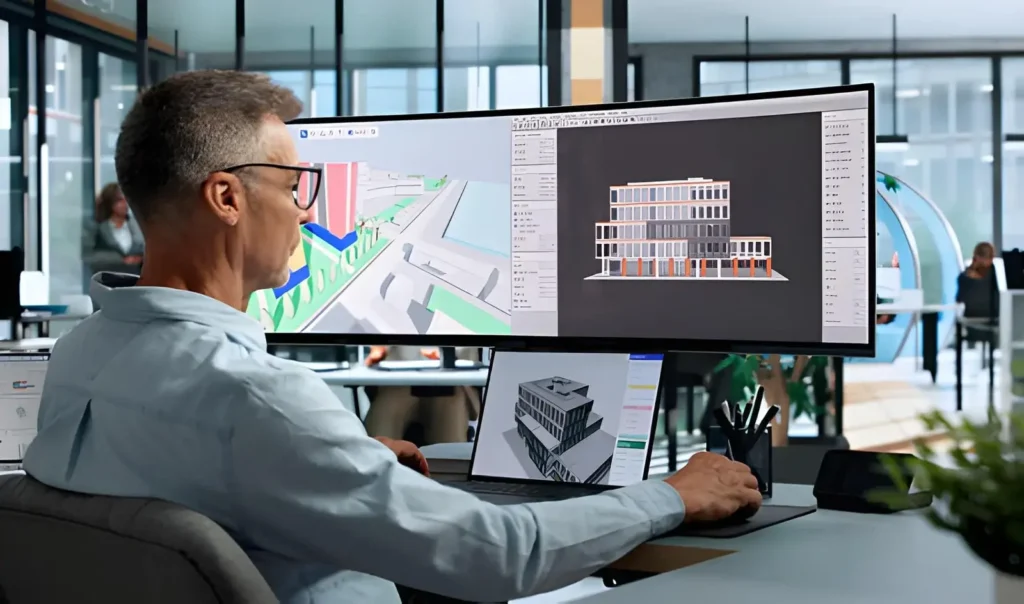
Modern CAD Drafting Companies can help AEC businesses by developing accurate digital drawings, which are probably easier to revise, assemble, and coordinate. CAD-primarily based completely virtually documentation giprovides installed manner to represent dimensions, layouts, facts, and layout modifications at the same time while retaining readable technical information
The cost becomes even clearer whilst duties incorporate numerous disciplines. Architectural specifications may also need to align with structural layouts, mechanical systems, electrical systems, interiors, and production information. A carefully maintained drawing environment gives organizations a stronger basis for that coordination.
Key documentation practices
- Use standard drawing requirements during project organization.
- Give each revision a clear identification.
- Keep report naming and folder systems organized.
- Review dimensions before issuing drawings.
- Remove outdated information from active workflows.
- Coordinate related disciplines before final submission.
Good documentation is, in the end, approximately agreed upon. Everyone involved wants to understand which records are modern-day and the manner it need to be used.
Bringing Cost Information Closer To Design
Errors do not simply push up in drawings. They can also occur when format factors are transferred into quantity takeoffs and fee calculations.
When mission data change, rate records need to alternate with them. A revised floor format, material specification, wall assembly, or device requirement may have an impact on quantities and pricing. If estimating agencies are going for walks from an older version, the resulting cost range may not represent the real design.
This is where Construction Estimating Companies can turn out to be part of a more related assignment workflow. Estimating professionals can use present-day drawings and project statistics to make bigger amount takeoffs, cost opinions, and cost range facts that mirror the documented scope.
Connecting estimating with documentation offers project owners greater visibility into the financial impact of design selections.
For example, changing a material specification can also seem minor from a design perspective. However, the same change should impact quantities, difficult work, fabrication necessities, procurement, and setup. Reviewing the economic impact early gives decision-makers greater room to alter the format before expenses become hard to control.
Important cost-control elements
- Base estimates on the most recent drawing revision.
- Separate material and tough artwork assumptions where suitable.
- Record major scope adjustments.
- Review uncommon portions earlier than finalizing budgets.
- Compare revised estimates with preceding project versions.
- Confirm specifications before pricing specialised work.
This approach makes estimating more than a final pricing exercise. It turns fee statistics into an active part of venture choice-making.
Using BIM And Connected Digital Workflows
Technology is changing how construction information moves between project individuals. BIM structures, cloud-based reporting systems, virtual markups, automated quantity extraction, 3D coordination, and model-based analysis are supporting companies’ work with data in more integrated strategies.
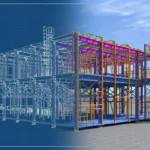
BIM can offer a shared digital instance of construction assets. When properly maintained, these records can help groups understand relationships among architectural, structural, and MEP elements before physical construction starts.
Cloud systems add each specific layer of flexibility. Teams taking walks from unique places of work can evaluate cutting-edge files without relying on manual file transfers. Digital approval workflows can also make it a lot less complex to track comments and determine whether or not requested modifications have truly been addressed.
Technology can help with:
- Version control
- Design coordination
- Clash detection
- Quantity extraction
- Remote collaboration
- Drawing compare
- Revision tracking
- Project facts sharing
However, generation needs to assist a described method rather than update one. Poorly prepared records can produce terrible results, even when advanced software applications are involved.
The most effective workflows integrate appropriate technology with clear requirements, human evaluation, and accountability.
Reducing Errors Before They Reach The Jobsite
An inadvertent error is often more costly to correct after setup than during the course of design development. That makes early checking one of the most precious factors of modern-day documentation.
Consider a ceiling layout that conflicts with mechanical tools. If the problem is discovered at the same time as the model is being coordinated, the format crew can modify the layout digitally. If the same trouble appears after materials have been ordered and setup has started, the task can also face additional exertions, material waste, and schedule disruption.
The same principle applies to dimensions, openings, structural connections, system clearances, and material specs.
A useful assessment series
Create → Coordinate → Check → Approve → Issue → Build
Each step offers a possibility to capture inconsistencies earlier than they end up extra expensive.
Firms can also establish report evaluation obligations so that important information is checked at the earliest possible stage before launch. This reduces reliance on casual verbal exchange and enables a more repeatable quality-management approach.
Connecting Documentation With Procurement And Operations
Building documentation does not stop being useful after design approval. It can affect shopping, company communication, scheduling, strength-making plans, installation, and long-term facility operations.
For business enterprise facilities, electricity-related alternatives can constitute a huge part of operational planning. Equipment alternatives, energy requirements, software application information, and project specs may also all need to align with the wider procurement strategy.
Energy Procurement Services can supplement this in this manner by supporting businesses’ energy buying requirements as part of their broader commercial enterprise making plans.
When procurement choices are linked with reliable project information, organizations can higher apprehend what is being sold, why it’s required, and the way it relates to project requirements.
Commercial problems are worth monitoring.
- Confirm technical requirements before buying.
- Match procurement picks with legal specs.
- Monitor supplier lead times.
- Record common substitutions and modifications.
- Coordinate deliveries with production schedules.
- Keep enterprise documentation organized alongside technical information.
This connection between technical documentation and procurement can turn out to be specifically crucial for large enterprise dispositions wherein a small data gap may additionally have an effect on numerous downstream activities.
Read more: What Is an Isometric Drawing? A Complete Construction Guide
Final Thoughts
Smarter building documentation is turning into a vital part of current AEC project delivery. The goal isn’t definitely to create virtual drawings or undertake the present-day software program application. The actual opportunity is to build a related data workflow wherein drawings, models, estimates, procurement data, and revisions help everyone.
When groups work from reliable facts, they’re capable of identifying problems in advance, communicate modifications more efficiently, and make commercial enterprise choices with extra self-confidence. That can reduce avoidable redesign and create a smoother course from design to production.
Technology gives the tool, but disciplined methods make those tools valuable. AEC businesses that combine correct documentation, coordinated digital workflows, established estimating, and careful assessment can create a venture environment wherein data becomes an asset in place of another source of confusion.
Frequently Asked Questions
1. How does smarter documentation lessen production errors?
It gives task companies clearer and more consistent records, making it less complicated to become aware of conflicts, lacking data, previous revisions, and coordination problems in advance than during creation.
2. What function does BIM play in AEC documentation?
BIM creates a coordinated virtual environment wherein construction elements and their relationships may be reviewed earlier than physical construction begins offevolved.
3. Can better documentation help control undertaking charges?
Yes. Current and accurate project information offers estimating agencies a stronger foundation for quantities and pricing, while also helping owners understand the monetary impact of design modifications.
4. Why is version management essential in production?
Without powerful model management, organizations may, with the aid of outdated artwork from old files, potentially make wrong fabrication, buying, or installation decisions
5. Does virtual documentation put off the need for manual assessment?
No. Automated equipment can become prone to superb troubles, but professional evaluation stays important for design purposes, constructability, specifications, and challenge-particular necessities.
Also Read
- https://synonymlabi.com/patronize-meaning/
- https://synonymlabi.com/synonyms-for-uncomfortable/
- https://synonymlabi.com/synonyms-for-destruction/