
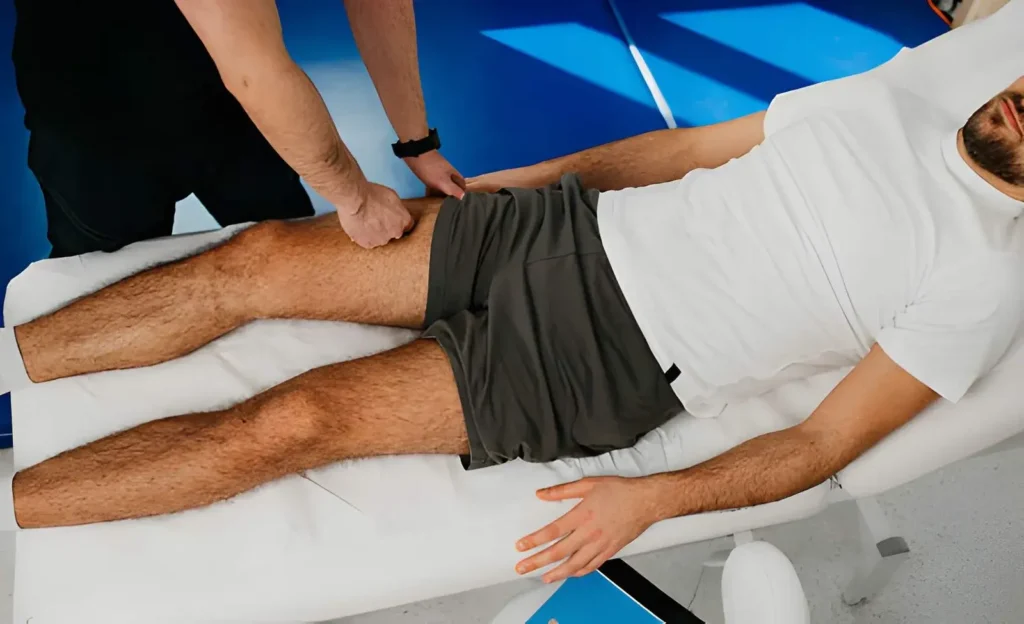

Balgowlah sits between headlands, beaches, and busy playing fields, so it is no surprise that local runners, surfers, and team sport athletes ask a lot of their bodies. Hills load the calves and knees, soft sand challenges foot and ankle stability, and long paddles tax the shoulder. When training spikes collide with everyday life, sore tendons, stiff backs, and cranky knees can appear quickly. A clear, physiotherapy-led plan keeps you moving while tissues adapt. The goal is simple: progress load in a way your joints, tendons, and muscles can accept, so you can string together healthy weeks and, eventually, healthy seasons.
Manage Training Load to Protect Tendons and Joints
For Achilles, patellar, and plantar fascia pain, the first lever is load, not gadgets. Local guides like Balgowlah Physiotherapy explain what a thorough assessment covers, but day-to-day improvement depends on how you adjust running volume, jumping, stairs, and soft sand time. Hot tendons dislike sudden spikes and aggressive long-hold stretching. Early on, short isometric holds can settle pain enough to let you move, followed by heavy slow resistance and calf soleus work to rebuild capacity. The tradeoff is real: strict rest drops pain fastest but also erodes tissue tolerance. Smart rehab finds the highest pain-free, repeatable load and grows it steadily.
Consider a netballer with front of knee pain before finals. Instead of scrapping all sessions, shift high-impact drills to low-impact conditioning, use patellar tendon-friendly strength lifts like Spanish squats, and save short, fast footwork for later in the week when pain is lowest. Contrast that with a Masters runner nursing a tender Achilles after a hill loop to North Head. They might swap soft sand runs for firmer paths, add seated calf raises to target soleus, and trim steep descents for two weeks before reintroducing them. In both cases, consistent loading choices drive healing more than any single passive treatment.
Run Technique on Hills and Sand: Cadence, Footwear, Surfaces
Hilly routes from Manly to Balgowlah Heights are beautiful but demanding. A modest increase in cadence often reduces peak knee load and shortens ground contact on climbs. On descents, shorter steps and a tall trunk help tame braking forces that irritate shins and hips. Soft sand magnifies calf and foot demand; rotating one session per week onto firm sand or path preserves energy for quality strength later. If plantar fascia or Achilles symptoms flare, a slightly stiffer shoe or a mild heel lift can temporarily unload tissues while you build strength.
Two simple technique cues cover many issues: quiet feet and steady hips. If footfalls thump on the stairs up to Dobroyd Head, you are likely overstriding or collapsing through the midfoot. Quiet landings usually follow a higher cadence and better ankle stiffness. If video shows one hip dropping on single-leg stance, add glute medius work and single-leg Romanian deadlifts. The relationship is straightforward: more stable hips reduce the side-to-side sway that strains IT bands and patellofemoral joints on cambered coastal paths.
Shoulder Control for Surfing, Paddling, and Ocean Swims
Paddling volume can jump fast when the banks are good. Shoulders tend to fail not at maximum effort but after repeated submaximal sets with poor scapular control. Build a base with external rotations, rowing variations, and serratus anterior work like push-up plus. Pair that with thoracic spine mobility to keep the catch long without jamming the front of the shoulder. When pain shows up at the front or top of the shoulder, shift to pain-free pulling angles, keep paddles shorter, and add isometrics for rotator cuff relief before progressing to heavier sets.
Manual therapy has a place, but it is a bridge to better movement, not a destination. Soft tissue release, joint mobilization, and taping can quickly open paddling range or smooth a painful catch, which lets you practice good mechanics under less pain. The common mistake is relying on passive work while volume and technique stay unchanged. Instead, use a short deload week, fix scapular rhythm with prone Y T Ws and bodyweight rows, then steadily recover longer paddles. The right sequence is what matters: calm pain, reinforce control, and only then layer on endurance.
Progressions for Ankle and Knee Injuries in Field Sports
Lateral ankle sprains in soccer or touch footy are common on uneven grass. The first 3 to 5 days focus on swelling control and pain-limited range, then quickly pivot to peroneal strength, balance, and hopping. Progress single-leg stance to unstable surfaces, then to forward and lateral hops, finally to cutting. A missed step here is skipping power: without plyometrics and change of direction drills, ankles feel fine in straight-line running but buckle in traffic. For knees, MCL sprains often tolerate early cycling and closed-chain strength, advancing to deceleration, shuffles, and controlled contact drills before match play.
Use scenarios to anchor decisions. A weekend winger with a grade II ankle sprain may pass a jog test by day 10 but still fail a triple hop for distance comparison or single-leg drop landing. That gap predicts risk more than pain does. Meanwhile, a social rugby player with a mild MCL strain might leg press comfortably yet struggle with lateral shuffles and reactive cutting. Delay full return until those lateral tasks are crisp. Criteria, not the calendar, should govern progress. If the joint repeatedly gives way, locks, or swells after light work, step back and reassess.
When to Seek Assessment, Manual Therapy, or Imaging
You can solve many aches with sensible load changes and strength, but some signs deserve prompt assessment: pain that wakes you nightly for several days, tingling or numbness down a limb, a joint that repeatedly gives out, a visible deformity, or the inability to take four steps through the midfoot after an ankle twist. A physio assessment blends movement testing, strength checks, and functional drills to pinpoint irritants. Hands-on options include joint mobilizations, Mulligan mobilizations with movement, and taping such as McConnell or kinesiology methods to change joint mechanics long enough for you to train better patterns.
Imaging supports, not replaces, a good exam. X-ray or MRI is useful when a fracture, significant tear, or locked joint is suspected, but scans often reveal age-related changes that are not the pain source. That is why timing matters: brief conservative care can clarify whether symptoms settle with smarter loading. Once a plan is in place, protect your gains. Two days of full-body strength per week maintains tendon and bone integrity across codes, from surf to soccer. Short, regular check-ins can recalibrate exercises, progress plyometrics, and catch brewing problems before they interrupt another season.
Active lives in Balgowlah demand adaptable bodies. Build capacity with steady strength, choose surfaces and shoes that match your current load tolerance, and use technique tweaks that spare hot tissues while they recover. When pain alters how you move, get it assessed and use manual therapy as a springboard to better training, not a substitute for it. Small, consistent decisions turn good weeks into long runs, clean paddles, and reliable match days. If you stack those choices, the headland views are much easier to enjoy.
Also Read
- https://synonymlabi.com/top-5-data-warehouse-service-companies-in-2026/
https://synonymlabi.com/what-size-solar-generator-do-you-need-for-camping/
https://synonymlabi.com/what-should-you-know-about-solar-generator-cycle-life/




Pingback: What to Do If Your Real Estate Broker Shorted Your Final Paycheck